Women's Mental Health: What Affects It and How to Get Support
A guide for women and teen girls on how mental health shifts across life, the signs to watch for and where to find support.
By the ThisWayUp editorial team. Published November 4, 2026

A guide for women and teen girls on how mental health shifts across life, the signs to watch for and where to find support.
By the ThisWayUp editorial team. Published November 4, 2026


Women's mental health is the emotional, psychological and social well-being of women and girls. Depression, anxiety and eating disorders are more common in women, and some conditions are linked to hormone changes around periods, pregnancy and menopause. These conditions can be treated, and a primary care provider is a good place to start (NIMH).
If you are in crisis or thinking about suicide, call or text 988. You can also text HOME to 741741. If anyone is in immediate danger, call 911.
In this guide:
Women's mental health is the emotional, psychological and social well-being of women and girls, from the teen years through midlife and beyond. The National Institute of Mental Health (NIMH) explains that some mental disorders are more common in women than in men, including depression, anxiety disorders and eating disorders (NIMH).
Some conditions are unique to women. NIMH names three that show up at times of hormone change: perinatal depression during or after pregnancy, premenstrual dysphoric disorder (PMDD) around the time of a period, and perimenopausal depression during the menopause transition. For other conditions, such as schizophrenia and bipolar disorder, research has not found sex differences in how often they are diagnosed, but NIMH notes that certain symptoms may be more common in women and that a person's sex can affect the course of an illness.
That is why ThisWayUp treats women's mental health as its own topic. Women don't have a different kind of mind. They do live through a particular set of experiences: monthly cycles, pregnancy and postpartum, caregiving, constant pressure about how they look, and midlife changes that often land all at once. ThisWayUp founder Cat Miller started this free resource after years of depression that followed becoming a mother, and after realizing how many women struggle with similar changes, often made harder by hormonal shifts. You can read Cat Miller's founder story or watch her explain why ThisWayUp exists to break stigma and build support.
Women are nearly twice as likely as men to be diagnosed with depression, according to Mayo Clinic (Mayo Clinic). There is no single reason for the gap in women's mental health. It comes from biology and life circumstances working together. ThisWayUp's guides to depression in women and teens and anxiety in teens and women cover the signs of each in depth.
Biology is part of it. Mayo Clinic notes that hormone changes during puberty may raise some girls' risk of depression, and that risk may rise again during perimenopause, when hormone levels can swing erratically. Dr. Brenda Chau, who works in Toronto using a functional medicine approach, describes the pattern in the ThisWayUp video How Chronic Stress Affects Your Hormones and Mental Health:
"We all know that progesterone, estrogen fluctuate over and over during the women's life... puberty, just during pregnancy, postpartum, premenopausal, postmenopausal."
She adds that the connection runs both ways: "any kind of trauma, emotional distress can also affect our hormones and vice versa. Our hormones can affect our mental health."
Life circumstances matter just as much. Mayo Clinic is clear that the higher rate of depression in women isn't due to biology alone. It points to unequal power and status (women are much more likely than men to live in poverty), work overload at home and on the job, caring for children and sick or older relatives at the same time, and abuse: women are more likely than men to experience sexual abuse, and women who were abused as children or adults are more likely to experience depression. The World Health Organization adds that anyone who has lived through abuse, severe losses or other stressful events is more likely to develop depression.
Then there is the invisible work. In the ThisWayUp video Self-Compassion: The Kindness You Truly Deserve, mindfulness educator Nina Purewal, co-author of the bestseller Let That Sh*t Go, names the pattern many women recognize:
"Especially people who identify as women, they tend to do everything for everybody else. The emotional labor and the weight of women and then they serve themselves last. And when they do, there's guilt associated."
If that sounds like you, start with our guide to self-compassion as a tool for stress recovery and our article on how self-criticism affects you and why we do it.
Hormones don't explain every mood change, and they are rarely the whole story. But knowing when they shift can help you spot patterns and bring them up with a doctor. In the ThisWayUp video Everything Is Connected: Why Symptoms Tell a Bigger Story, naturopathic doctor Dr. Elizabeth Goldspink explains that poor sleep can throw off hormone balance, which can then affect your mood and digestion. Here is how hormones and mental health in women connect at each life stage.
Mayo Clinic notes that hormone changes during puberty may increase some girls' risk of developing depression. These changes arrive at the same time as new pressures at school, with friends and online, which is why the teen years are a key window for women's mental health. The teen section below covers what parents can watch for.
For most people with premenstrual syndrome (PMS), symptoms such as bloating, headache, anxiety, irritability or the blues are minor and short-lived, according to Mayo Clinic. PMDD is different. NIMH lists it among the disorders unique to women, with symptoms of depression around the time of a period. If your mood before your period seriously disrupts school, work or relationships, note your symptoms and the dates for a couple of cycles and bring those notes to a doctor.
Worldwide, more than 10% of pregnant women and women who have just given birth experience depression, according to WHO. Dr. Brenda Chau explains the difference between the baby blues and something more serious in the ThisWayUp video Postpartum Blues and Depression: What Every New Mom Should Know. She says "postpartum blues is very common in new mothers" and should pass within about two weeks, while:
"postpartum depression on the other hand, it's something more complicated. It needs to be treated right away because it can have consequences for the mother and for the baby as well."
If low mood, worry or numbness hangs on after the first couple of weeks, tell your doctor, midwife or OB. If you have thoughts of harming yourself or your baby, call or text 988 now, or call 911 if anyone is in immediate danger.
Mayo Clinic notes that the risk of depression may increase during perimenopause, the transition to menopause when hormone levels can fluctuate erratically, and NIMH recognizes perimenopausal depression as its own condition. Some women in their 40s also notice new anxiety, poor sleep or brain fog, often while raising teenagers, working and caring for aging parents. A doctor who knows menopause care is the right person to talk to about what you're feeling.
Teen girls are carrying a heavy load. The CDC's Youth Risk Behavior Survey found that in 2023, female high school students experienced more violence, more signs of poor mental health, and more suicidal thoughts and behaviors than male students (CDC). Dr. Kimberly Schonert-Reichl, a professor of psychology at the University of Illinois at Chicago who studies social and emotional learning, notes in the ThisWayUp video Act Now: Youth Mental Illness Needs Attention that depression and anxiety in children and teens were rising even before COVID.
Some of the pressure on girls is social. Girls often lean on each other, which is a strength, but sometimes friends talk through the same problems over and over until everyone feels worse. Dr. Schonert-Reichl explains what co-rumination is and how girls handle stress together. Social media adds round-the-clock comparison, which Nina Purewal discusses in Social Media Pressure on Teens: Anxiety and Authenticity.
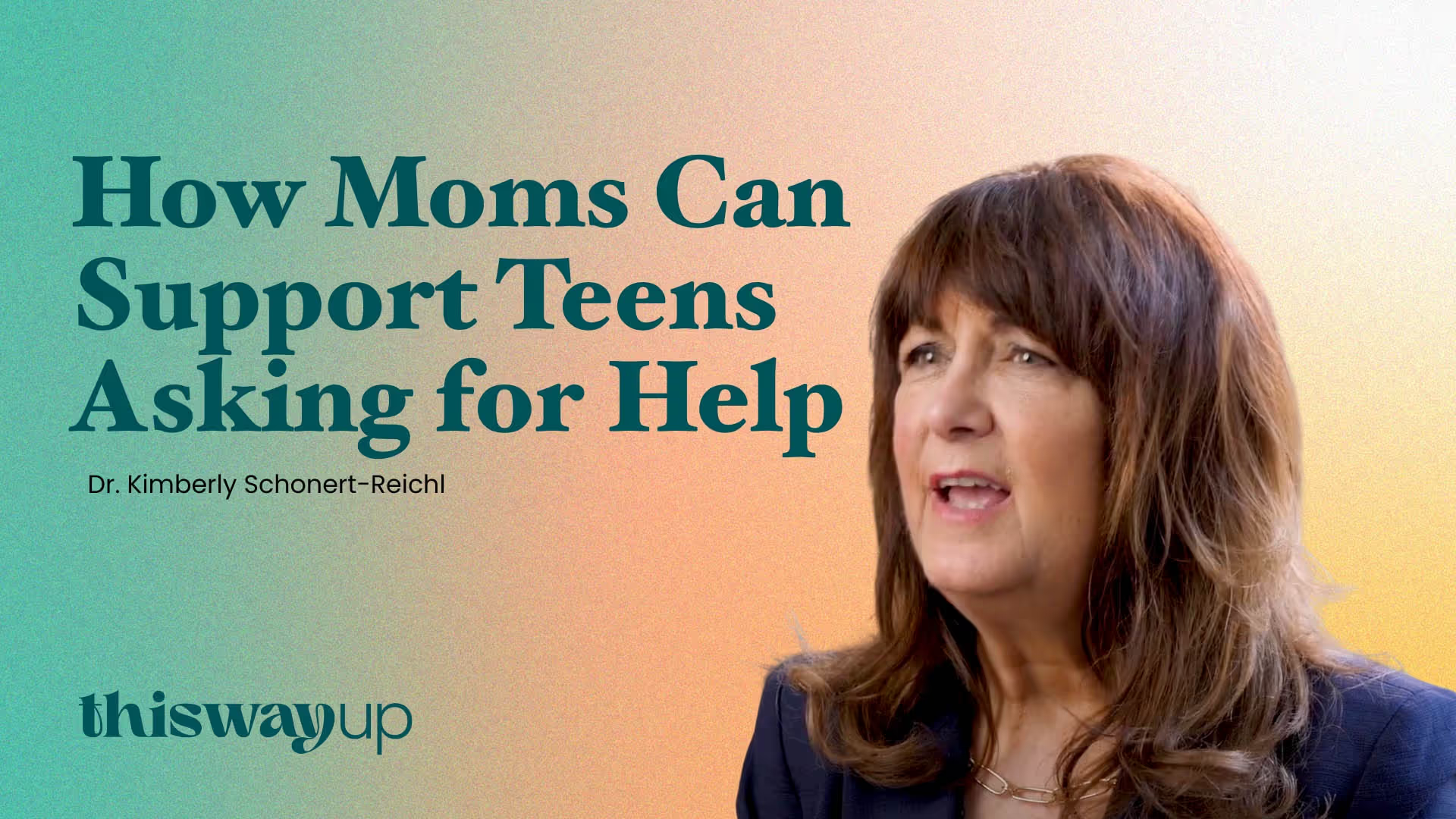
Parents, and especially moms, matter more than they may think. In How Moms Can Support Teens Asking for Help, Dr. Schonert-Reichl says:
"teens will go to their moms a lot. You know, they are often the trusted other and sometimes moms don't know what to do in terms of getting the professional help they need."
You don't need to have every answer. Listen first, stay calm, and know where professional help is: your teen's pediatrician or doctor, a school counselor, or a therapist. Our guide to supporting daughters through anxiety walks through what to say, and the video Teens and Mental Health: Why Reaching Out Matters explains why teens need help knowing where to turn.
Parenting is hard on mental health, and the numbers show it. The U.S. Surgeon General's August 2024 advisory on parents, Parents Under Pressure, reports that 48% of parents say that most days their stress is completely overwhelming, compared to 26% of other adults (U.S. Surgeon General). For many women, motherhood also brings sleep loss, a shift in identity and the feeling of being responsible for everyone else.
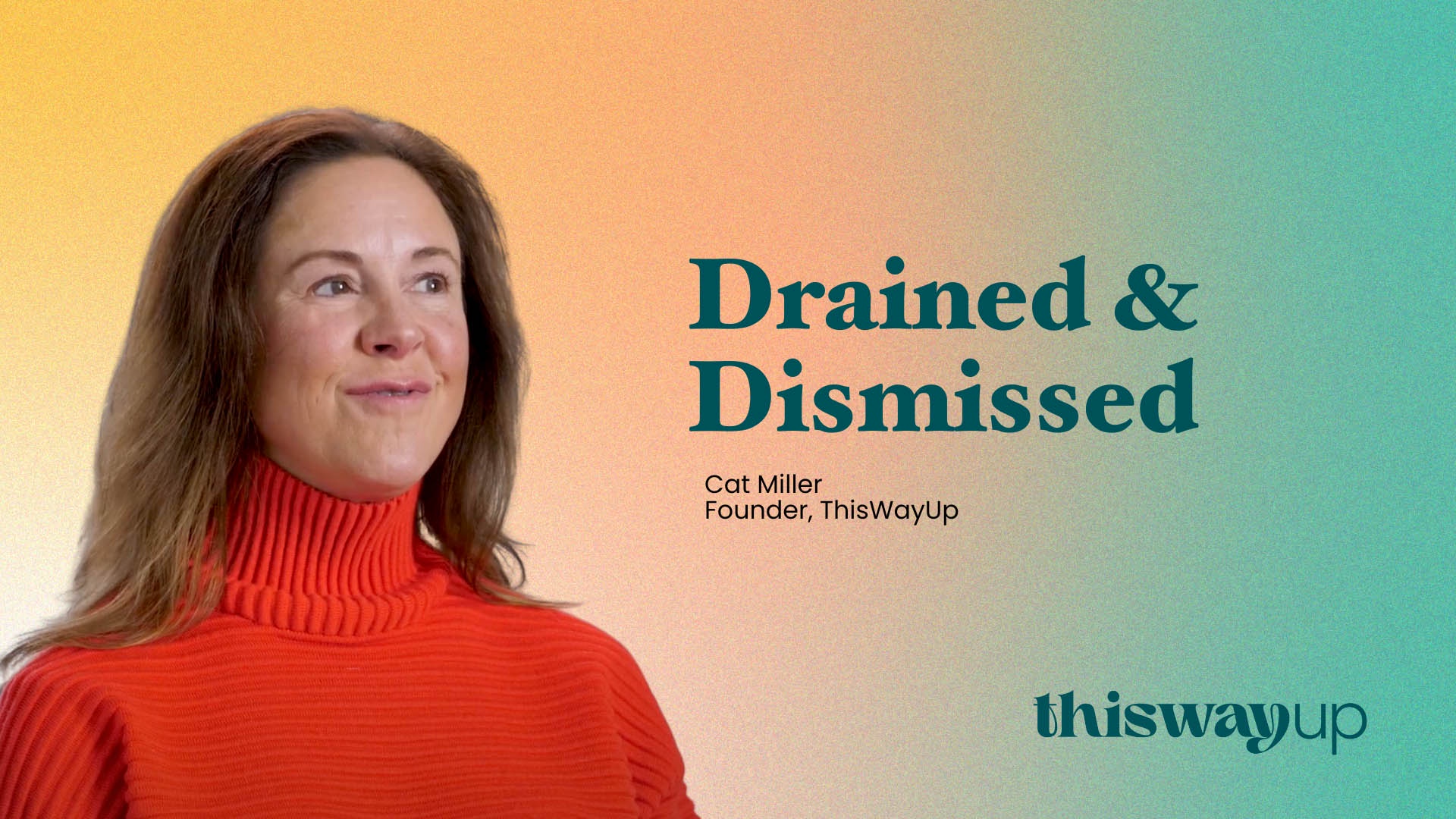
The hardest part can be telling normal tiredness from something more. ThisWayUp founder Cat Miller shares her experience in Drained and Dismissed: How Cat Found the Cause:
"Every new parent is tired. But for me, I really... in addition to the tiredness, I had horrible brain fog. I had difficulty following a recipe."
Cat lived like that for about two years before she was diagnosed with celiac disease. Treating it cleared the fog, but the joylessness stayed, and it turned out to be depression. The takeaway: "every new parent is tired" can hide something treatable. If exhaustion, fog or low mood doesn't lift, ask your doctor to look further.
Two experiences come up again and again for mothers: mom burnout, the bone-deep exhaustion of always being on, and mom rage, sudden anger that leaves you feeling guilty afterward. Our article on mental well-being for mothers is a good place to start, and ThisWayUp's guide on how to recover from burnout covers the steps that help.
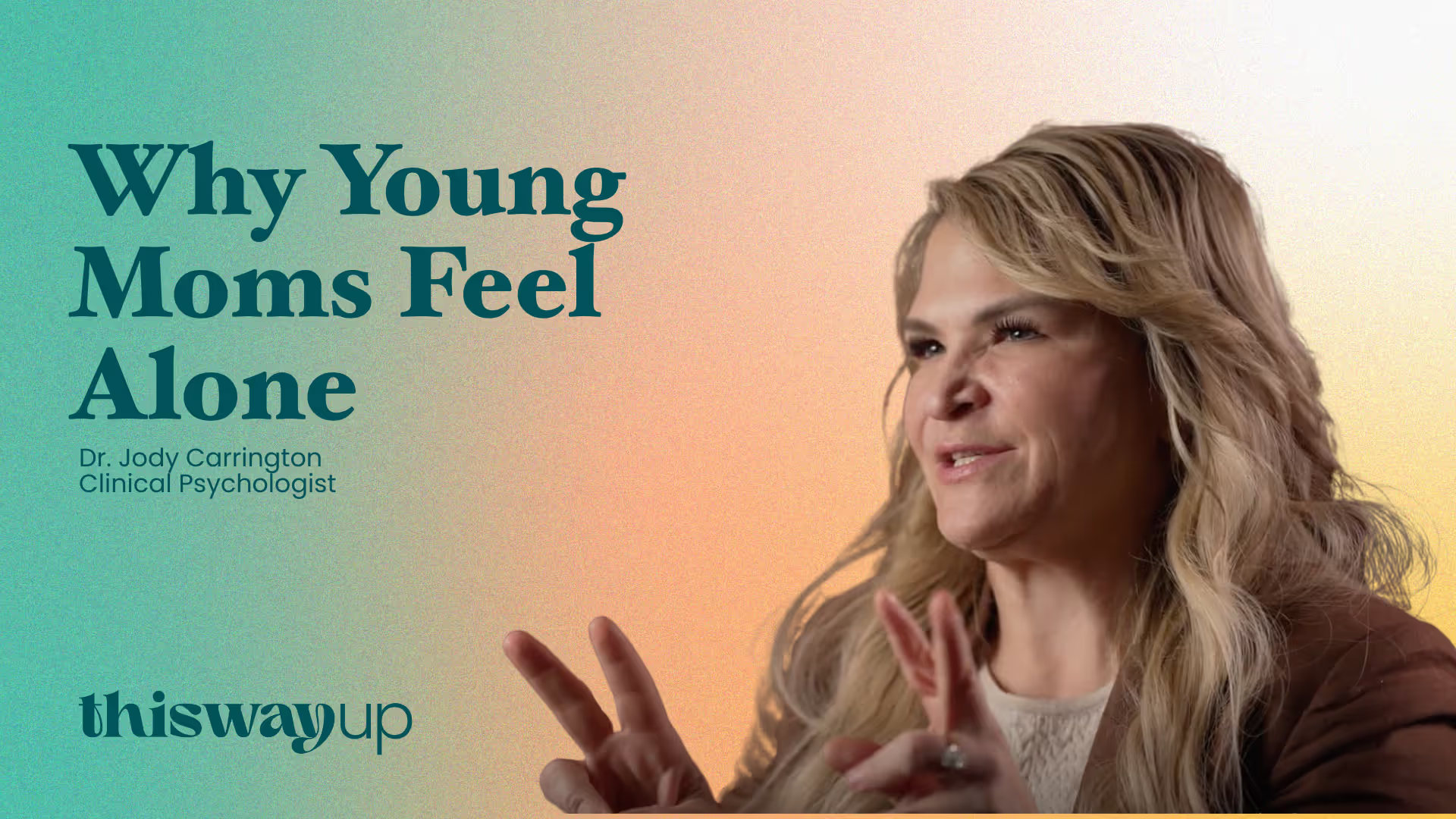
Dr. Jody Carrington, best-selling author and host of the UNLONELY podcast, speaks to every overwhelmed new parent in You Were Never Meant to Do This Alone: "I wish we just had a lot more opportunity to say it's okay. It's supposed to be hard." And later: "You were never meant to do any of this alone."
Pressure on how women and girls look starts early and doesn't end at adulthood. In Understanding the Link Between Self-Esteem and Depression, Dr. Kimberly Schonert-Reichl explains that low self-esteem and poor body image can lead to depression and anxiety, and that social media gives women and girls endless chances to compare themselves. After pregnancy, the pressure can take a new form: Dr. Brenda Chau talks about the push to "regain their previous body" in The Pressure to Look Perfect: Body Image and Mental Health.
Perfectionism feeds the same cycle. Cat Miller reminds viewers that no one has it all together in You Don't Have to Be Perfect, and Dr. Schonert-Reichl notes that self-compassion is one of the hardest skills for women and girls in We Are Our Own Harshest Critics. For a deeper read, see No, your body is not your worth.
Eating disorders are among the conditions NIMH says are more common in women. If you or your daughter are skipping meals, bingeing, or feeling controlled by food or weight, talk to a doctor. These are medical conditions, and early help matters.
Everyone has hard days. What matters for women's mental health is when changes stick around, keep coming back, or start getting in the way of your life. NIMH lists common symptoms of mental disorders, including (NIMH):
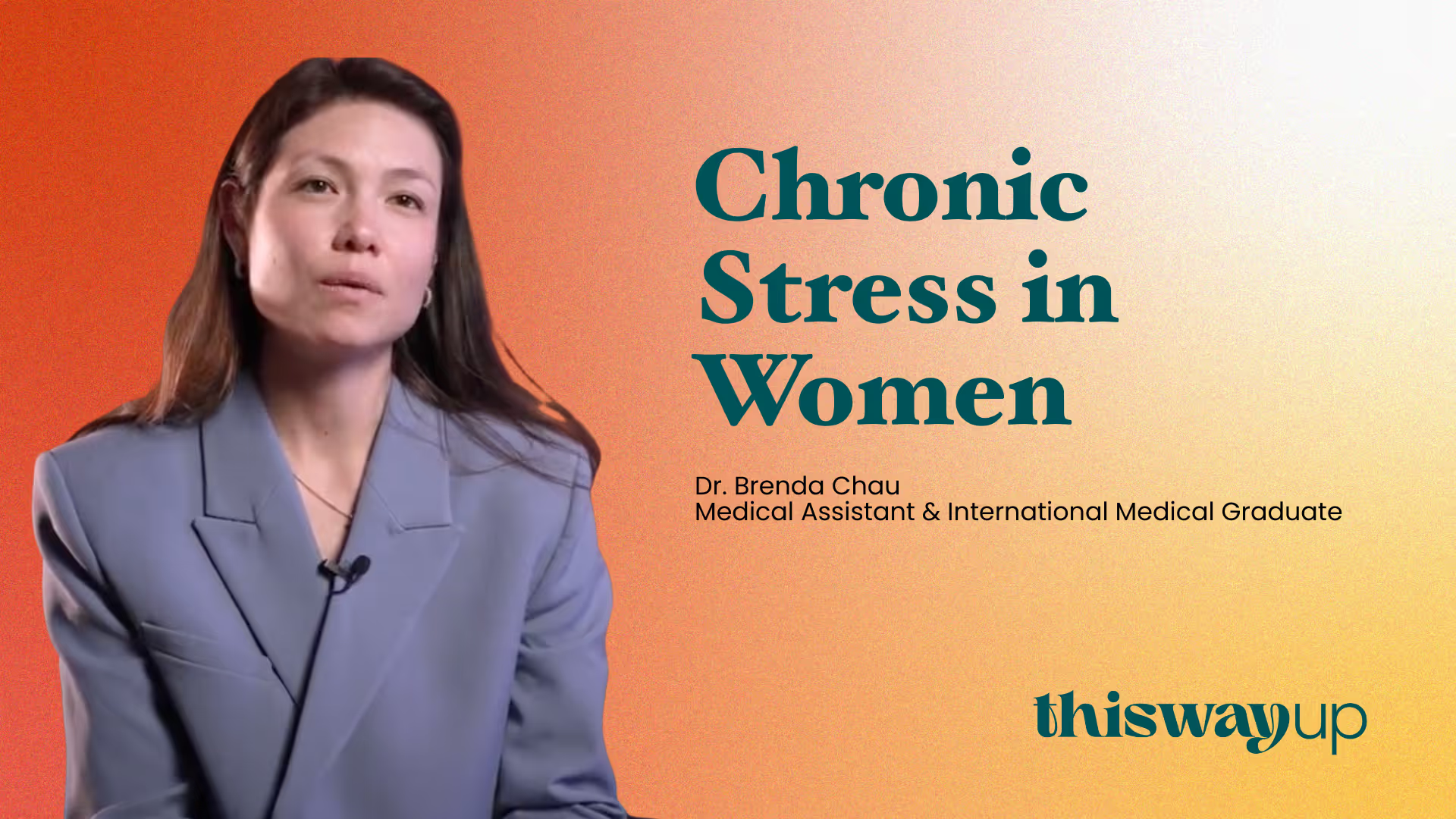
Women often brush off the early signals. Dr. Brenda Chau describes this in Chronic Stress in Women: Early Symptoms You Might Overlook, naming feeling overwhelmed, trouble focusing, gut issues and mood swings as early signs. If you aren't sure where you stand, the free ThisWayUp mental well-being assessment (MHQ) can help you reflect on how you're doing. It is not a diagnosis, but it can help you decide on a next step and give you something concrete to share with a doctor.
Start with one conversation. NIMH says mental disorders can be treated, and that a primary care provider is a good place to start. They can refer you to a qualified mental health professional, such as a psychologist, psychiatrist or clinical social worker. Naming it out loud is often the hardest step. Cat Miller describes the moment she finally told her aunt she thought she was depressed in Getting Help Changed Everything: My Mental Health Journey.
Cat also talks about how long she tried to fix it on her own, with diet, exercise, sunshine and friends, before getting professional help. Healthy habits helped, but they weren't enough by themselves.
Find the right kind of support. In How to Start Therapy: Tools, Tips and Online Options, Dr. Leysa Cerswell, who holds a doctorate in clinical psychology and is on the faculty at the Centre for Mindfulness Studies, walks through the options: loved ones, your doctor or nurse for referrals, a social worker, psychotherapist, psychologist or psychiatrist, and online help by chat, video or phone. She also points out that when you're struggling, you can ask someone you love to do the research for you.
About medication. Medication is one option for some conditions. Never start, stop or change a medication on your own. Make those decisions with your prescriber.
Support the basics. Sleep, movement and connection won't replace treatment, but they support it. Our guide to how sleep affects stress and emotional recovery and Dr. Brenda Chau's video on yoga and the best workouts for women's mental well-being are good places to begin.
Look for changes that last or keep returning: persistent sadness, irritability, pulling away from people, sleeping much more or less, changes in appetite or energy, and aches or stomach problems without a clear cause. NIMH lists these among common symptoms of mental disorders. In women, these signs are often written off as stress, hormones or "just being tired." If you're worried about someone, ask gently and listen without judging. Then help her find a doctor or therapist.
Depression and bipolar disorder are mood disorders that affect people of any sex. NIMH also describes forms of depression unique to women that appear at times of hormone change: perinatal depression during or after pregnancy, premenstrual dysphoric disorder (PMDD) around the time of a period, and perimenopausal depression during the menopause transition. Anxiety disorders are not mood disorders, but NIMH notes they are also more common in women.
Many things can make you feel off balance: ongoing stress, poor sleep, hormone shifts, a big life change, trauma, alcohol or drugs, or a physical health problem. ThisWayUp founder Cat Miller spent two years thinking her fatigue and fog were normal new-mom tiredness before she was diagnosed with celiac disease, and later realized she was also depressed. That's why it helps to see a primary care provider, who can check for physical causes and refer you to mental health care. If you feel unsafe, call or text 988 now.
In the US, May is Mental Health Awareness Month, and National Women's Health Week starts each year on Mother's Day, according to the CDC. Any month is a good time to check in on your mental health.
Start small. Tell one person you trust how you're really doing. Protect your sleep, move your body in a way that feels good, and spend time with people who make you feel safe. Write down what you're noticing so you can share it with a doctor or therapist. Coping skills help, but if your symptoms last or get worse, professional support is the next step, not a last resort.
Related guides: Anxiety in teens and women, Depression in women and teens, How to heal from trauma and How to recover from burnout.
ThisWayUp is a free educational resource, not a medical provider. This guide doesn't replace professional diagnosis or treatment.