The signs of depression in women and teens include a low or empty mood, losing interest in things you used to enjoy, changes in sleep or appetite, tiredness, irritability, and feelings of hopelessness or worthlessness that last most of the day, nearly every day, for at least two weeks. Depression is common, not your fault, and treatable.
If you are in crisis or thinking about suicide, call or text 988 to reach the 988 Suicide and Crisis Lifeline. It is free, confidential and open 24/7. You can also text HOME to 741741. If you or someone else is in immediate danger, call 911.
In this guide:
- What depression is, and how it differs from sadness
- The signs of depression in women
- The main types of depression
- Why women are more likely to experience depression
- What depression looks like in teens
- What raises the risk of depression
- Depression vs burnout
- How depression is treated
- What helps day to day
- How to help someone with depression
- Where to get help now
What is depression, and how is it different from sadness?
Everyone feels low sometimes. Sadness after a loss, a breakup or a hard week is a normal human reaction, and it usually eases with time. Depression is different. The National Institute of Mental Health describes depression as a common but serious mood disorder that can affect how you feel, think and handle daily activities like sleeping, eating or working (NIMH). It is a medical condition, not a weakness, and it is not something you can simply "snap out" of.
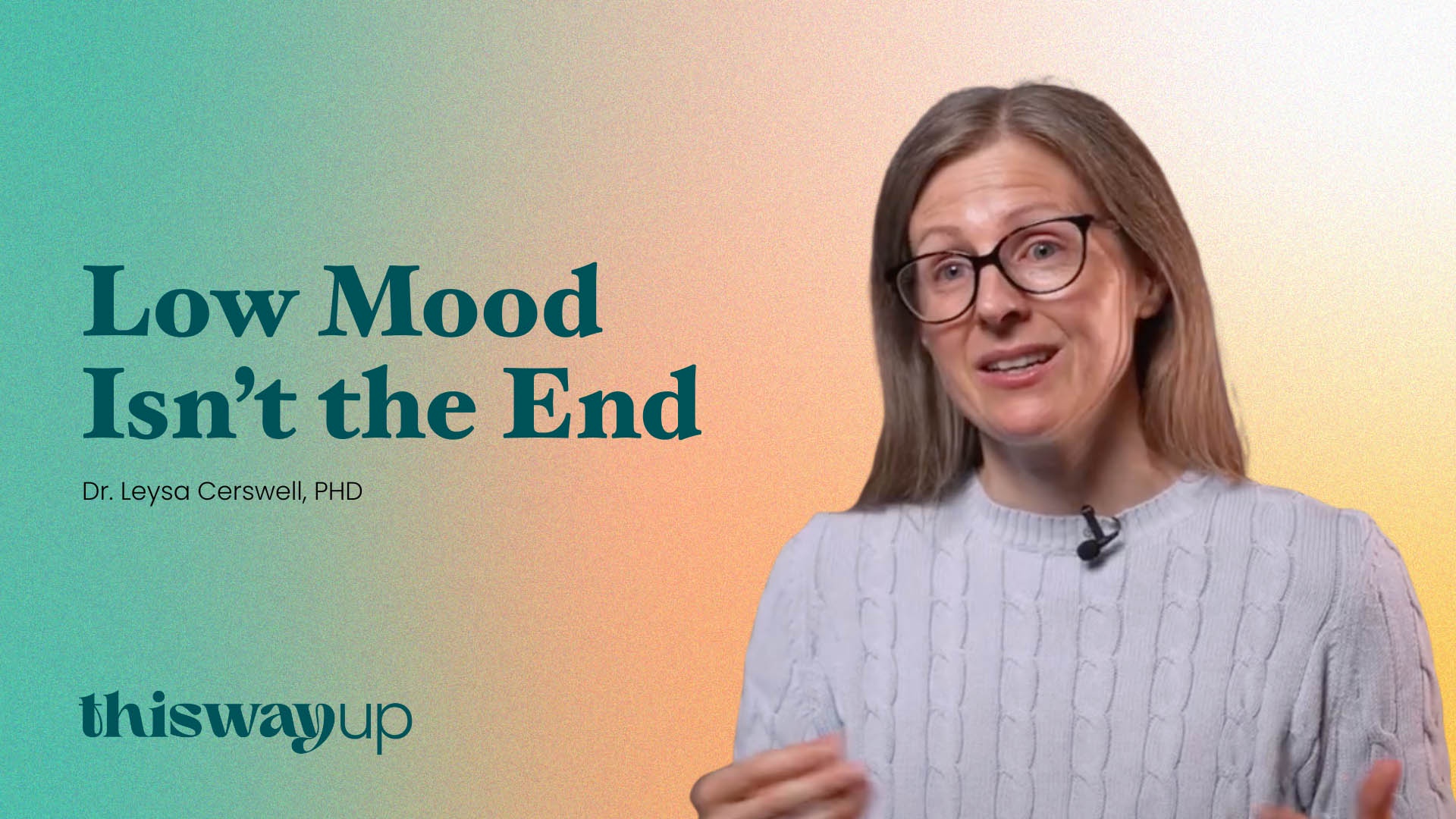
So where is the line? Dr. Leysa Cerswell, faculty at the Centre for Mindfulness Studies, explains that the question is how much distress you are in and whether low mood is getting in the way of your day:
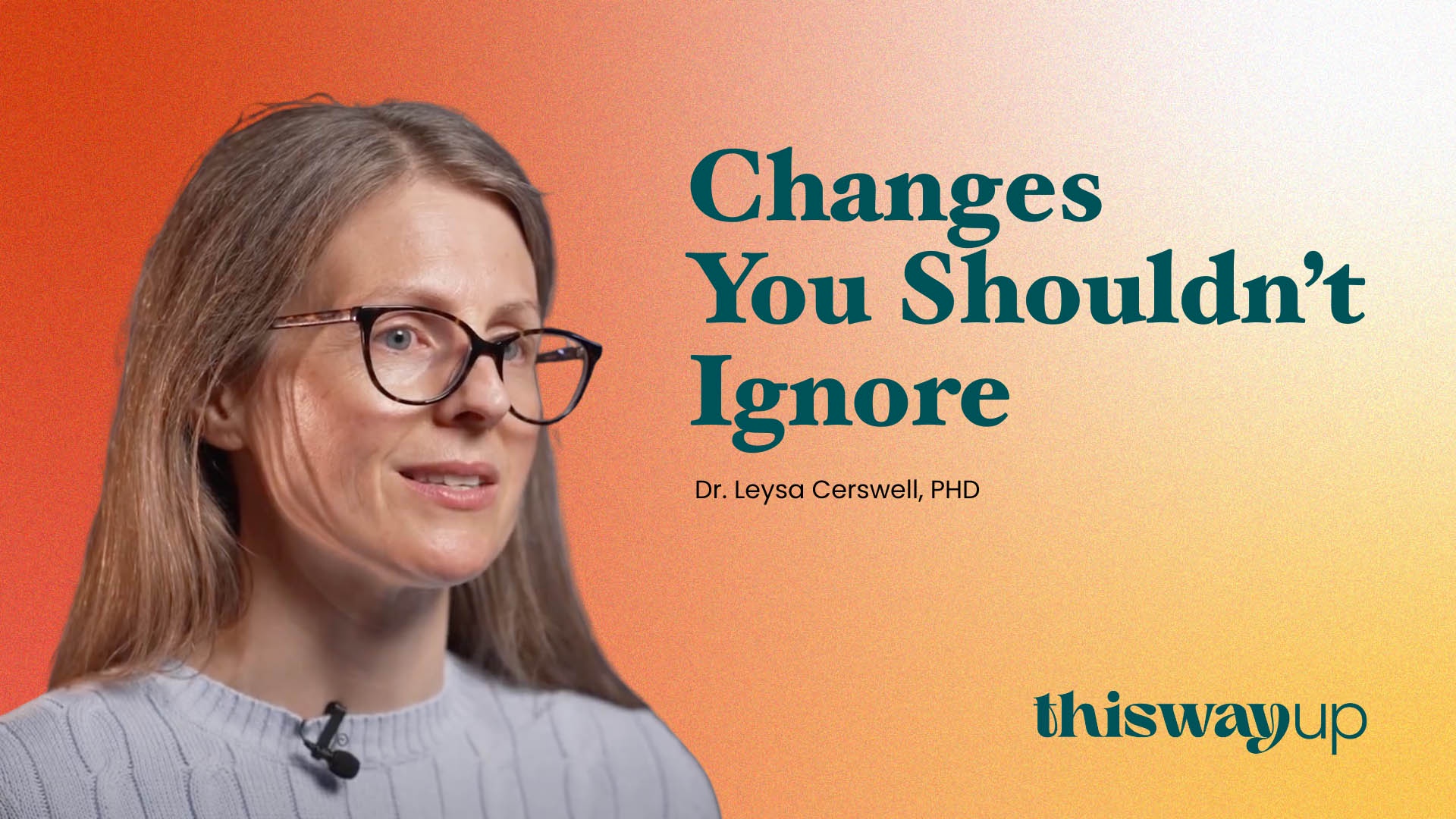
"When we consistently feel low and we're really struggling to lift our mood or we're struggling to get out of bed or where it's starting to impact our functioning, that's when we might call it depression." (Changes You Shouldn't Ignore: Recognizing Depression)
Depression also feels different from person to person. Cat Miller, the founder of ThisWayUp, shares her own experience in What Depression Felt Like for Me: A Personal Story:
"For me, depression felt like lifelessness. I lost who I was. I had no desire to do anything and really just didn't feel anything. I was numb."
Resilience coach Janey Brown describes it as standing in the rain while everyone around you is in the sun in Defining Depression: Beyond the Surface, and she talks elsewhere about its heavy, dragging weight. If any of this sounds familiar, you are not alone.
What are the signs of depression in women?
Sadness is only one part of depression. According to NIMH, other common signs of depression in women include (NIMH, Depression in Women):
- Anxiety or irritability
- Feeling hopeless, worthless or helpless
- Losing interest or pleasure in hobbies and activities
- Fatigue, low energy or feeling slowed down
- Trouble concentrating, remembering or making decisions
- Changes in sleep or appetite
- Aches or pains that do not have a clear physical cause
- Thoughts of death or suicide
NIMH advises talking to a health care provider if you have symptoms most of the day, nearly every day, for at least two weeks. Depression does not look the same in everyone. Some women have many symptoms and others have only a few.
Many women keep going on the outside while struggling on the inside. Dr. Cerswell suggests asking simple, honest questions: Can I get to work? Can I get my kids to school? Can I make breakfast for myself? If low mood is making everyday tasks hard, that matters, even if nobody else can see it.
Depression also shows up in the body. Dr. Brenda Chau, who works in Toronto using a functional medicine approach, lists some of the physical signs:
"Major depressive disorder can have a myriad of symptoms. Chronic fatigue is one of them. Loss of interest in things that the patient used to enjoy is another one. It can lead to gut issues." (Depression Hurts-Literally: Understanding Physical Symptoms)
She also notes that sleep can swing either way: some people with depression have insomnia, while others sleep more than usual. Because these physical symptoms are easy to blame on stress or a busy life, they are worth mentioning to a doctor.
What are the main types of depression?
Depression is not one single experience. NIMH describes several types (NIMH):
- Major depression: depressed mood or loss of interest most of the time for at least two weeks, getting in the way of daily life.
- Persistent depressive disorder (dysthymia): less severe symptoms that last much longer, usually at least two years.
- Seasonal affective disorder: depression that comes and goes with the seasons, often starting in late fall and early winter and lifting in spring and summer.
- Perinatal depression: depression during pregnancy or after childbirth. It is more than the "baby blues."
- Premenstrual dysphoric disorder (PMDD): a more severe form of PMS in the weeks before a period.
- Perimenopausal depression: depression during the transition to menopause.
Only a health care provider can diagnose which type, if any, fits what you are going through. Knowing the names can still help you describe your experience and ask better questions. ThisWayUp's guide to women's mental health covers perinatal depression, PMDD and the menopause transition by life stage.
Why are women more likely to experience depression?
Depression can affect anyone, but it is more common in women. The World Health Organization estimates that in 2023, 6.2% of adult women worldwide experienced depression, compared with 4.1% of adult men (WHO). In the United States, 10.3% of adult women had a major depressive episode in 2021, compared with 6.2% of adult men (NIMH statistics).
NIMH explains that depression is especially common among women because of unique biological, hormonal and social experiences. Pregnancy, the postpartum period, the menstrual cycle and perimenopause all bring physical and hormonal changes that can bring on a depressive episode in some women.
After a baby arrives, it can be hard to tell normal exhaustion from something more serious. In Postpartum Blues & Depression: What Every New Mom Should Know, Dr. Chau explains that the postpartum blues should pass within about two weeks, while postpartum depression is more complicated and needs to be treated right away. If you are a mom carrying a heavy mental load, our article on mental wellbeing for mothers is a gentle place to start.
Midlife can bring its own changes too. Mood swings and poor sleep are common in the menopause transition, but NIMH notes that more intense irritability, anxiety, sadness or loss of enjoyment may be signs of depression. Dr. Chau also explains how long-term stress can affect hormones and mood in How Chronic Stress Affects Your Hormones & Mental Health.
What does depression look like in teens?
Depression in teens is more common than many parents realize. In 2021, an estimated 20.1% of US adolescents ages 12 to 17 had at least one major depressive episode, and the rate was much higher among teen girls (29.2%) than teen boys (11.5%) (NIMH statistics). Dr. Kimberly Schonert-Reichl, a professor of psychology at the University of Illinois at Chicago, points out in Act Now: Youth Mental Illness Needs Attention that depression and anxiety in young people were rising even before COVID.
Signs of depression in teens can look like "attitude" from the outside. NIMH lists these signs for teens (NIMH, Teen Depression):
- Often feeling sad, anxious, worthless or "empty"
- Losing interest in activities they used to enjoy
- Getting easily frustrated, irritable or angry
- Pulling away from friends and family
- Dropping grades
- Changes in eating or sleeping habits
- Fatigue or memory problems
- Thoughts of suicide or self-harm
Friendships matter a lot for teen girls, and Dr. Schonert-Reichl explains that the way girls talk through problems together can sometimes make things worse:
"Especially among teen girls, if they're experiencing depression, they will talk to other friends and they'll co-ruminate and it actually escalates depression and anxiety by being around others where you actually all focus on these negative things." (What Is Corumination? How Girls Handle Stress)
ThisWayUp's guide to anxiety in teens and women covers co-rumination and how to break the loop. Self-esteem and body image play a part too. Dr. Schonert-Reichl explains the link between self-esteem and depression, and our article No, Your Body Is Not Your Worth speaks directly to teen girls. Parents can find practical ideas in Supporting Daughters Through Anxiety.
What raises the risk of depression?
There is no single cause of depression. NIMH says research points to a mix of genetic, biological, environmental and psychological factors. Dr. Cerswell starts with a simple truth in It Can Happen to Anyone: Depression & Risk Factors: "Depression can happen to anyone." She lists genetics and epigenetics, trauma and adverse childhood experiences, and how connected or isolated we are. As she puts it:
"Access to resources and supports can also be both a protective factor and a risk factor."
The World Health Organization adds that people who go through adverse life events, such as losing a job, bereavement or trauma, are more likely to develop depression, and that depression can in turn lead to more stress (WHO). NIMH also notes that depression often happens alongside chronic illnesses like diabetes, heart disease and chronic pain, and each can make the other worse.
Thinking patterns matter as well. Replaying the same worries over and over, called rumination, can keep low mood going. Cat Miller explains how rumination impacts your mental health, and our article on why rumination makes anxiety, depression and stress worse covers ways to step out of the loop. A harsh inner voice can feed the same cycle, which we explore in how self-criticism affects you.
Is it depression or burnout?
Burnout and depression can feel alike, especially for women juggling work, caregiving and school. In Understanding Stress, Burnout & Depression: Symptoms Explained, resilience coach Janey Brown explains that the two share symptoms like fatigue, exhaustion and irritability, and that long-running burnout can lead to depression. ThisWayUp's guide on how to recover from burnout covers the difference in depth. If you are not sure which one you are dealing with, check in with a doctor or therapist rather than waiting it out.
How is depression treated?
The hopeful part is that depression is treatable. NIMH says that even the most severe depression can be treated, and that common treatments are talk therapy, medication or both (NIMH, Depression in Women). The World Health Organization calls psychological treatments the first treatments for depression (WHO).
Talk therapy. NIMH lists cognitive behavioral therapy (CBT), which helps you challenge and change unhelpful thoughts and behaviors, and interpersonal therapy (IPT), which focuses on relationships and life events that affect mood, as evidence-based therapies for depression. Therapy can work in person or by telehealth. Janey Brown shares how therapy helped her untangle her thoughts in From Rock Bottom to Recovery: How Therapy Helped.
Medication. Antidepressants are commonly used to treat depression. Whether medication is right for you is a decision to make with a prescriber, such as your doctor or a psychiatrist. NIMH advises talking to a health care provider before starting or stopping any medication. It also notes that some children, teens and young adults under 25 may have more suicidal thoughts in the first few weeks of starting an antidepressant or changing the dose. The FDA advises that people of all ages taking antidepressants be watched closely, especially in the first few weeks. If you have questions about a medication you already take, please talk to your prescriber before changing anything.
Supplements and natural products. NIMH notes that the FDA has not approved any natural products for treating depression, and that supplements can interact with medications. Talk to a health care provider before trying them.
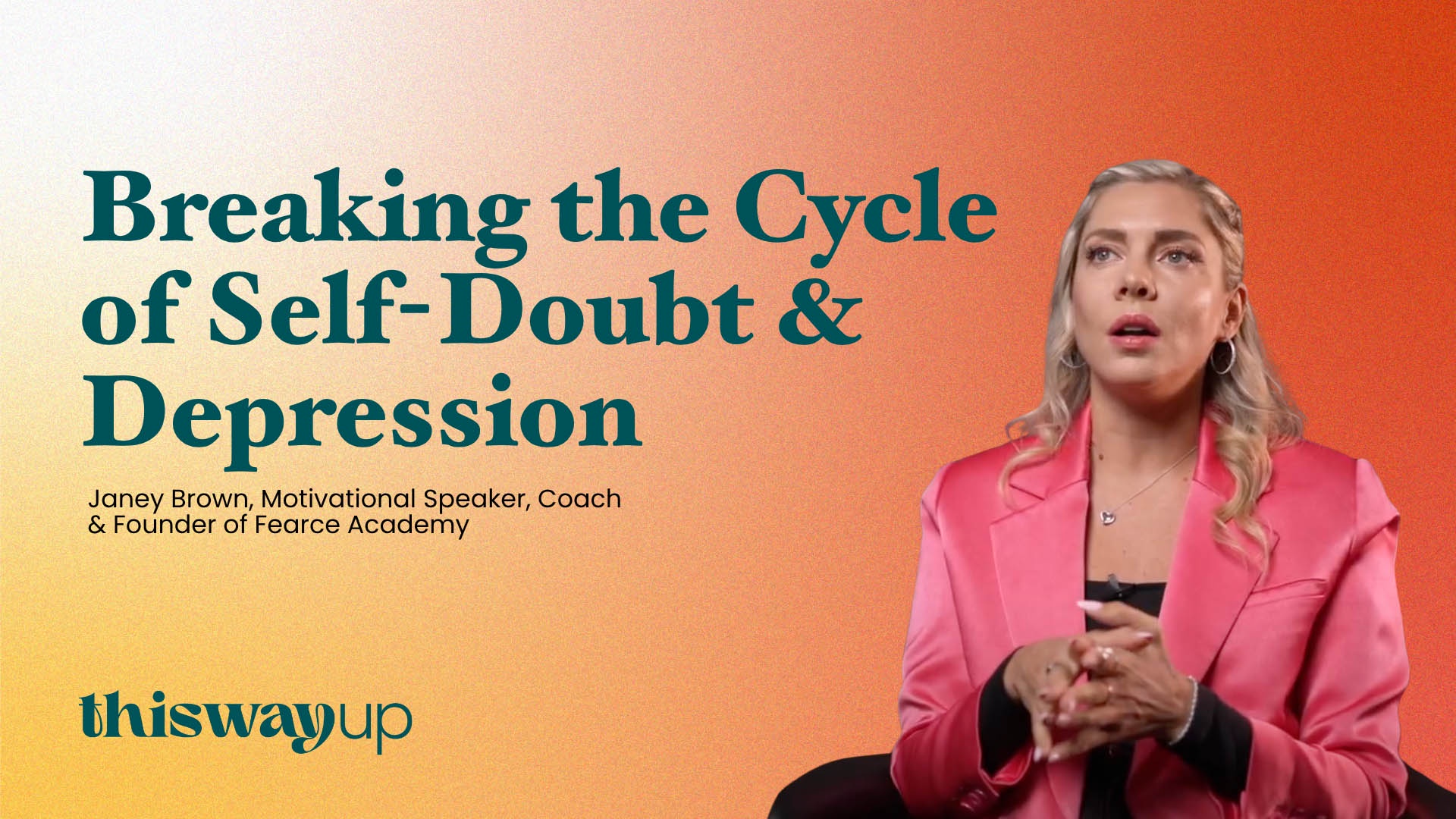
Finding the right treatment can take some trial and error, and there is no one-size-fits-all plan. Janey Brown makes the same point in Breaking the Cycle of Self-Doubt & Depression, where she suggests therapy as a good place to start and shares her daily routine of movement, music and mindset. She is clear that it doesn't fix depression, but it helps her along the way. And if stigma is holding you back from treatment, Janey speaks to that directly in Stigma Stops Here: Changing the Mental Health Narrative.
What helps with depression day to day?
Everyday habits do not replace treatment, but they can support it. NIMH suggests these steps for taking care of yourself (NIMH):
- Try to do things you used to enjoy, even if you don't feel like it.
- Get some physical activity. NIMH notes that just 30 minutes a day of walking can boost your mood.
- Keep a regular bedtime and wake-up time.
- Eat regular, healthy meals.
- Do what you can, as you can. Decide what must get done and what can wait.
- Talk to people you trust about how you are feeling.
- Put off big life decisions until you feel better.
- Avoid alcohol, nicotine and drugs, including medications not prescribed for you.
Noticing how you feel is a skill in itself. In Low Mood Isn't the End: What to Do Next, Dr. Cerswell calls self-awareness a superpower and explains why asking for help is one too. For small, steady supports, read about how morning sunlight improves mood and focus, how sleep affects stress and emotional recovery, and how your diet affects mental health and mood. If you want a quick, private check-in on how you are doing, try the free ThisWayUp mental well-being assessment.
How can you help someone with depression?
If someone you love is depressed, the most important thing you can do is help them connect with a health care provider or mental health professional. NIMH also suggests that you (NIMH):
- Offer support, understanding, patience and encouragement.
- Invite them for walks, outings and other activities.
- Help them stick to their treatment plan.
- Make sure they can get to therapy appointments.
- Remind them that, with time and treatment, depression can lift.
Try to listen more than you fix. Janey Brown explains that people with depression sometimes pull away because they feel misunderstood or feel like others are trying to fix them:
"When you have depression, you're not broken. You're just a human who has depression." (Just Human: Depression & the Truth About Withdrawal)
Sometimes a quiet, honest word from someone who cares is what opens the door. Cat Miller remembers the moment she finally said it out loud to her aunt:
"I said, 'I think I'm depressed.' And she very quietly said, 'I think you are too.'" (Getting Help Changed Everything: My Mental Health Journey)
Teens usually turn to friends first. In Teens & Mental Health: Why Reaching Out Matters, Dr. Schonert-Reichl explains that friends often don't know how to help, so teens need to know where to go for more support. If you are a teen worried about a friend, tell a trusted adult. Dr. Chau shares why speaking up matters in Speak Up, Get Support: Your Voice Matters.
Where to get help now
If you or someone you know is struggling, help is available right now:
- Call or text 988 to reach the 988 Suicide and Crisis Lifeline. It is free, confidential and available 24/7.
- Text HOME to 741741 to reach Crisis Text Line, free and 24/7.
- Call 911 if anyone is in immediate danger.
- Talk to a doctor or therapist about how you have been feeling. Teens can start with a parent, teacher or school counselor.
ThisWayUp is a free educational resource, not a medical provider. This guide is for information only and is not a substitute for professional diagnosis or treatment.
Frequently asked questions about depression
What are 5 warning signs of depression?
Five common warning signs are a low or empty mood, losing interest in things you used to enjoy, changes in sleep or appetite, fatigue or low energy, and feeling hopeless or worthless. NIMH advises talking to a health care provider if symptoms last most of the day, nearly every day, for at least two weeks. Thoughts of death or suicide are always a reason to reach out right away by calling or texting 988.
How can I tell if I'm depressed?
Ask yourself how long you have felt this way and how much it is affecting your daily life. If low mood or loss of interest has lasted two weeks or more and is making work, school or home life harder, it is time to talk to a doctor or therapist. The free ThisWayUp well-being assessment can help you reflect, but only a professional can diagnose depression.
What is high-functioning depression?
"High-functioning depression" is not a medical diagnosis. People use it to describe living with symptoms of depression while still keeping up with work, school or family. Depression does not look the same in everyone, so getting through the day does not mean you are fine. If you are struggling inside, you deserve support too.
How do you get through a day with depression?
Keep it small. Pick one or two must-do tasks and let the rest wait. Get outside or take a short walk, eat regular meals, keep a steady sleep schedule, and reach out to one person you trust. These steps support treatment, they don't replace it.
Is it obvious if someone has depression?
Not always. Some people show clear changes, like withdrawing or sleeping much more or less. Others hide it well, especially women who are used to holding everything together. Teens may seem irritable or angry rather than sad. If something feels off, gently ask.
What should I say to a teen girl who seems depressed?
Start by listening. You might say, "I've noticed you seem down lately, and I'm here for you." Avoid trying to fix it or talk her out of her feelings. Let her know depression is common and treatable, and offer to help her talk to a doctor or school counselor. If she mentions suicide or self-harm, call or text 988 together.
Explore more from ThisWayUp
Related guides: Anxiety in teens and women, Women's mental health, How to heal from trauma and How to recover from burnout.