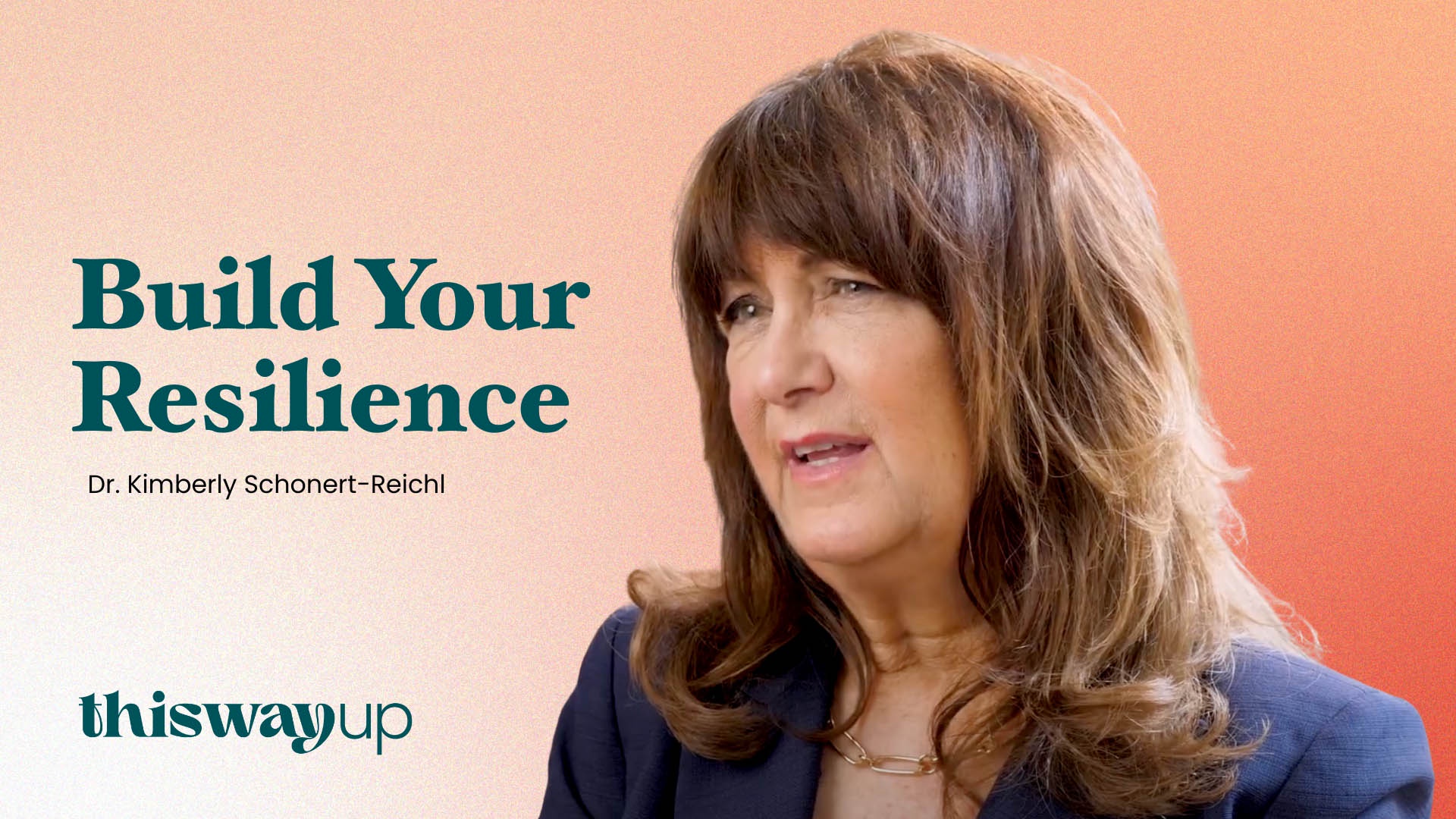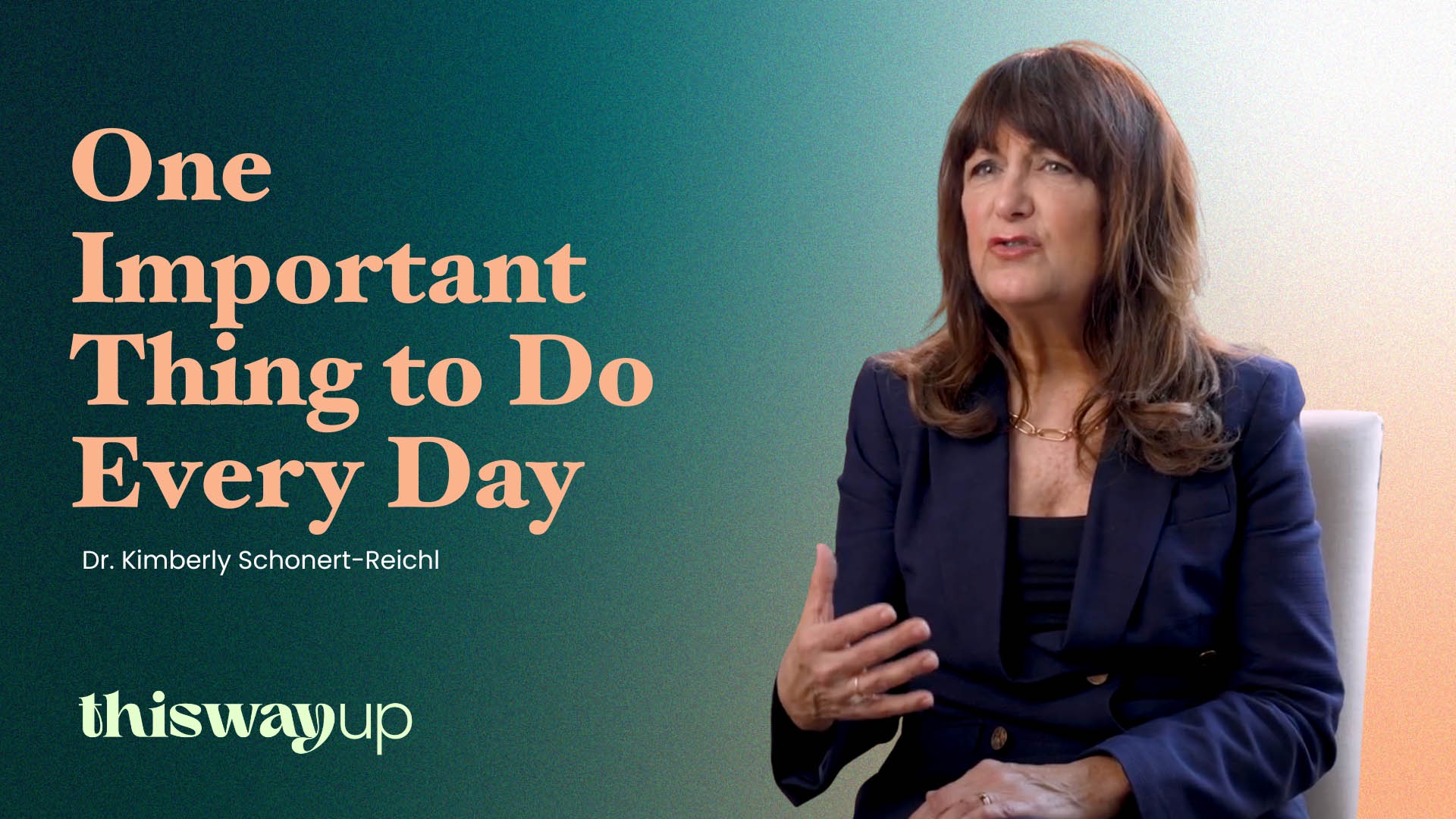

Dr. Kimberly Schonert-Reichl shares how practicing gratitude daily can improve your relationships and overall wellbeing.
The simplest way to learn how to practice gratitude is to notice what you appreciate in the people around you, and then tell them. In this short video, Dr. Kimberly Schonert-Reichl, a psychology professor and researcher in social and emotional learning, explains why gratitude is so good for relationships: what most of us want from the people in our lives is to feel acknowledged and appreciated.
Key takeaways
- Gratitude "boosts your positive relationships."
- It works through acknowledgment: noticing what people do and letting them know they are appreciated.
- When people are asked what they need in relationships, she says, "it's really about just feeling acknowledged and appreciated."
What Dr. Kimberly Schonert-Reichl says
For Dr. Schonert-Reichl, the importance of gratitude comes down to connection. "The importance of gratitude is really it boosts your positive relationships," she says. It improves those relationships through something small: acknowledging the people in your life so they know they are appreciated.
Her second point explains why that small act matters. "If you ask people of what they really need in relationships," she says, "it's really about just feeling acknowledged and appreciated." Gratitude, in other words, gives people what they are already looking for.
How to practice gratitude with the people in your life
Many gratitude practices happen privately, in a journal or in your head. This one is about saying it out loud. A few ways to start:
- Be specific. Instead of "thanks for everything," name the exact thing someone did and how it helped you.
- Notice the everyday. Thank people for the small, routine things that usually go unmentioned, like a ride, a check-in text or a meal.
- Write it down. A short note or message to someone who made a difference for you can mean more than you expect.
- Make it a ritual. Pick one person a day to acknowledge, or share one thing you appreciate about each other at dinner.
If it feels awkward, you're not alone, and the payoff is likely bigger than you think. In experiments where people wrote gratitude letters, the writers overestimated how awkward the recipients would feel and underestimated how positive the recipients would feel (Kumar and Epley, Psychological Science).
Does a daily gratitude practice really make a difference?
Research suggests it can. In a classic set of three studies, results suggest a regular focus on blessings may have emotional and interpersonal benefits (Emmons and McCullough, Journal of Personality and Social Psychology). The key, as with any habit, is doing it regularly. For how other cultures do it, see how different cultures practice gratitude, and for the science, why gratitude is the secret to a happier brain.
Video transcript
Transcript (lightly edited for reading):
The importance of gratitude is really it boosts your positive relationships. It improves your relationships by just acknowledging things... people are appreciated. And what we find is, if you ask people of what they really need in relationships, it's really about just feeling acknowledged and appreciated.
Common questions
How does gratitude affect your relationships?
Expressing gratitude helps people feel seen and valued, which is exactly what Dr. Schonert-Reichl says people need most in relationships. It also makes you more likely to notice the good in the people around you.
Can gratitude help with depression?
Gratitude can lift your mood and help you notice what's going well, but it is not a treatment for depression. If you've felt low for more than a couple of weeks, talk with a doctor or therapist. If you or someone you know is in crisis, call or text 988 (US).
How do you create a gratitude journal?
Pick a set time and write down a few specific things you're grateful for; for a step-by-step guide, watch How Gratitude Boosts Your Wellbeing.
What causes a lack of gratitude?
Stress, busyness and the brain's natural pull toward the negative can all crowd gratitude out. That's why it helps to practice on purpose rather than wait to feel grateful.
About the expert: Dr. Kimberly Schonert-Reichl is the Endowed Chair in Social and Emotional Learning and a Professor in the Department of Psychology at the University of Illinois at Chicago. She was previously a professor at the University of British Columbia and holds a PhD in Educational Psychology from the University of Iowa.