How Different Cultures Practice Gratitude and Why It Matters
From shared meals to spoken blessings, global gratitude rituals show us how everyday thanks can reshape the way we live and feel.

From shared meals to spoken blessings, global gratitude rituals show us how everyday thanks can reshape the way we live and feel.
.webp)
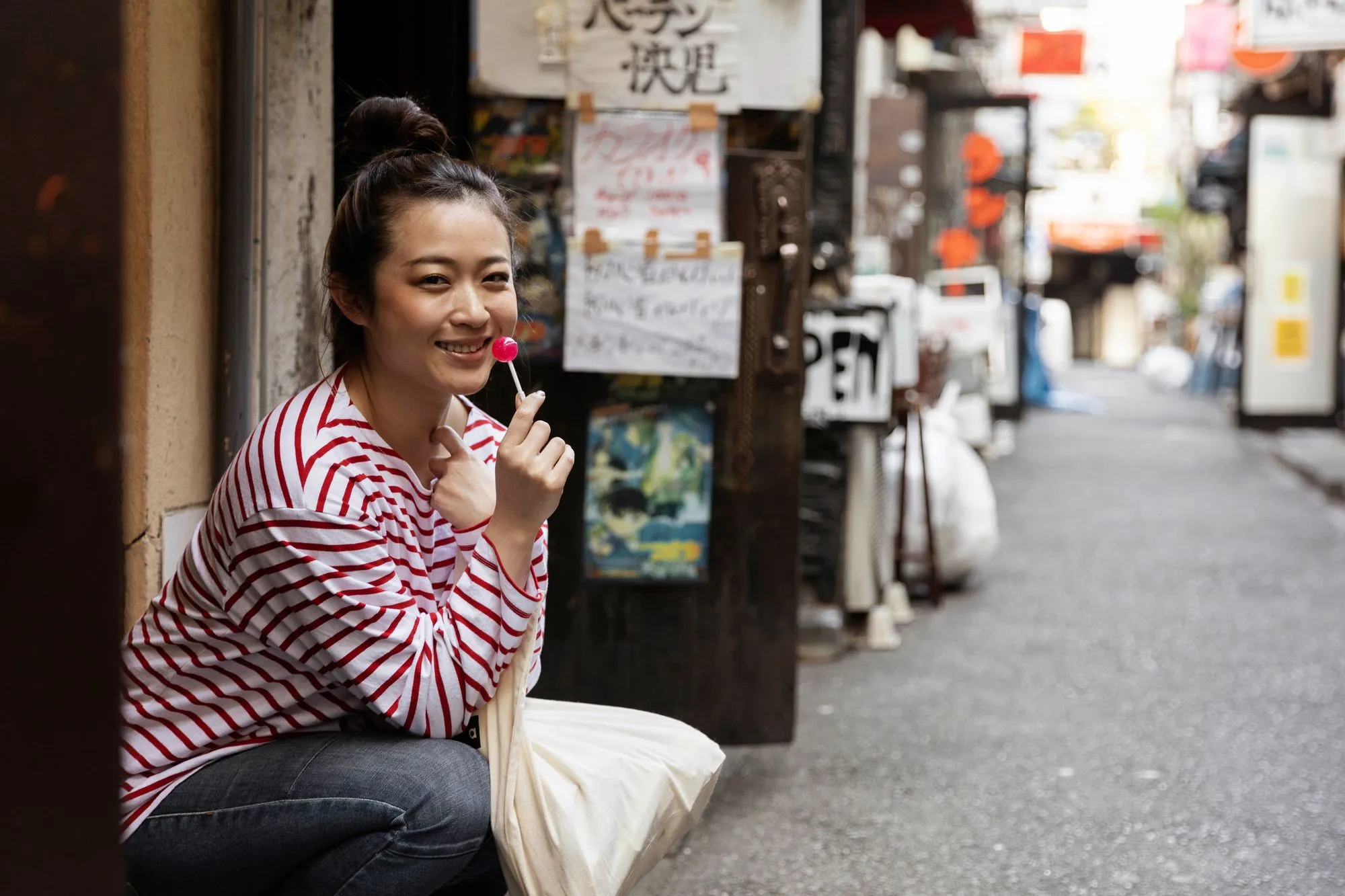
Gratitude looks different everywhere you go. Learning how different cultures practice gratitude, from shared meals to spoken blessings to songs passed down through generations, shows us how everyday thanks can reshape the way we live and feel. Gratitude is more than a polite gesture. It is a mindset, a cultural value, and in many places a communal practice. These traditions offer powerful insights into how gratitude becomes part of daily life, and how it can support our emotional and mental well-being.
Across the world, gratitude shows up in three broad ways: spoken (words and blessings woven into language), symbolic (rituals, offerings, and ceremonies), and communal (celebrations, song, and shared meals). Some cultures emphasize verbal thanks; others treat gratitude as something you do rather than something you say, through helping, reciprocating, or quiet acts of care. What unites them is repetition: gratitude is practiced, not just felt.
In Japan, gratitude is woven into the language itself. Phrases like itadakimasu (said before meals) and otsukaresama deshita (used to thank someone for their work) are everyday ways of acknowledging the efforts of others. These rituals are built on mutual respect, and routine expressions of gratitude like these are linked to higher life satisfaction and stronger social bonds.
Among the Akan people of Ghana, gratitude is often expressed communally, through storytelling, music, and celebration. Festivals like Homowo include specific songs and dances meant to thank ancestors and mark abundance after hardship, a reminder that gratitude can be a shared experience that connects generations.
In Hawaiian culture, mahalo goes far beyond a casual "thanks." It conveys deep respect and appreciation for people, the land, and spirit, part of a broader ethos of living in harmony with others and nature.
From lighting a diya at dawn to offering flowers at a temple, daily rituals in many Indian households reflect ongoing gratitude. In yoga philosophy, santosha (contentment) is seen as a key to inner peace, and regular practices of appreciation are associated with lower anxiety and greater resilience.
In Thai Buddhist tradition, tham bun (merit-making) expresses gratitude through giving, such as offering food to monks or supporting the temple. Thanks here is an action that benefits the wider community, not only a feeling.
Across Italy, sagre are local food festivals that celebrate a seasonal ingredient or harvest. Gathering to share food becomes a collective act of thanks for the land and the year's abundance.
In Turkey, gratitude is often expressed through generous hospitality, such as treating a guest to tea or coffee. Offering, and accepting, these small gestures is a quiet exchange of appreciation and respect.
Thanksgiving is the best-known American gratitude ritual, but daily practices have gone mainstream: gratitude journaling, gratitude jars, and mindful appreciation. A frequently cited study from researchers at UC Davis found that people who kept gratitude journals reported more optimism, fewer physical complaints, and better sleep. The lesson from global traditions is the same: consistency is what makes gratitude stick.
Across cultures, gratitude is ritualized: baked into language, celebration, or daily routine. The expressions are rarely grand. They are small, intentional, and repeated over time, and they shift our focus from what is missing to what is present. That shift has measurable benefits, including lower stress, stronger relationships, and better sleep.
You do not need a holiday or a tradition to start. A few simple, repeatable practices:
For more on the brain science behind this, read why gratitude is the secret to a happier brain.
For women and teens juggling pressure from every direction, a gratitude practice is one of the simplest, lowest-cost tools for emotional well-being. Research links regular gratitude to reduced symptoms of anxiety and depression, lower stress, and better sleep, partly by shifting attention away from rumination. It will not replace professional support when you need it, but as a daily habit it can steady your mood and strengthen your sense of connection.
Through spoken thanks and blessings, symbolic rituals and offerings, and communal celebration. Some cultures prioritize saying thank you; others express it through action, hospitality, or shared ceremony.
Keep a short gratitude journal, give thanks before meals, share one good thing with someone each day, notice something in nature, and pair gratitude with movement. Consistency matters more than scale.
Yes. Regular gratitude practice is associated with lower stress and reduced anxiety, in part by shifting focus away from worry and rumination and toward what is present and positive.
Because gratitude reflects a culture's view of the self and its relationship to others, whether thanks is framed as an individual expression or a communal, reciprocal duty.
Gratitude rituals: A path to resilience and well-being
If you’re looking for immediate help, these mental health crisis resources offer confidential support, guidance and emergency assistance.

A trusted source for mental health articles and a therapist directory.

Provides mental health education, support resources, and wellness tools.
Call or text 988 for 24/7 confidential support
Text HOME to 741741
Dial 911 or visit your nearest emergency healthcare facility if you are in immediate danger
.avif)