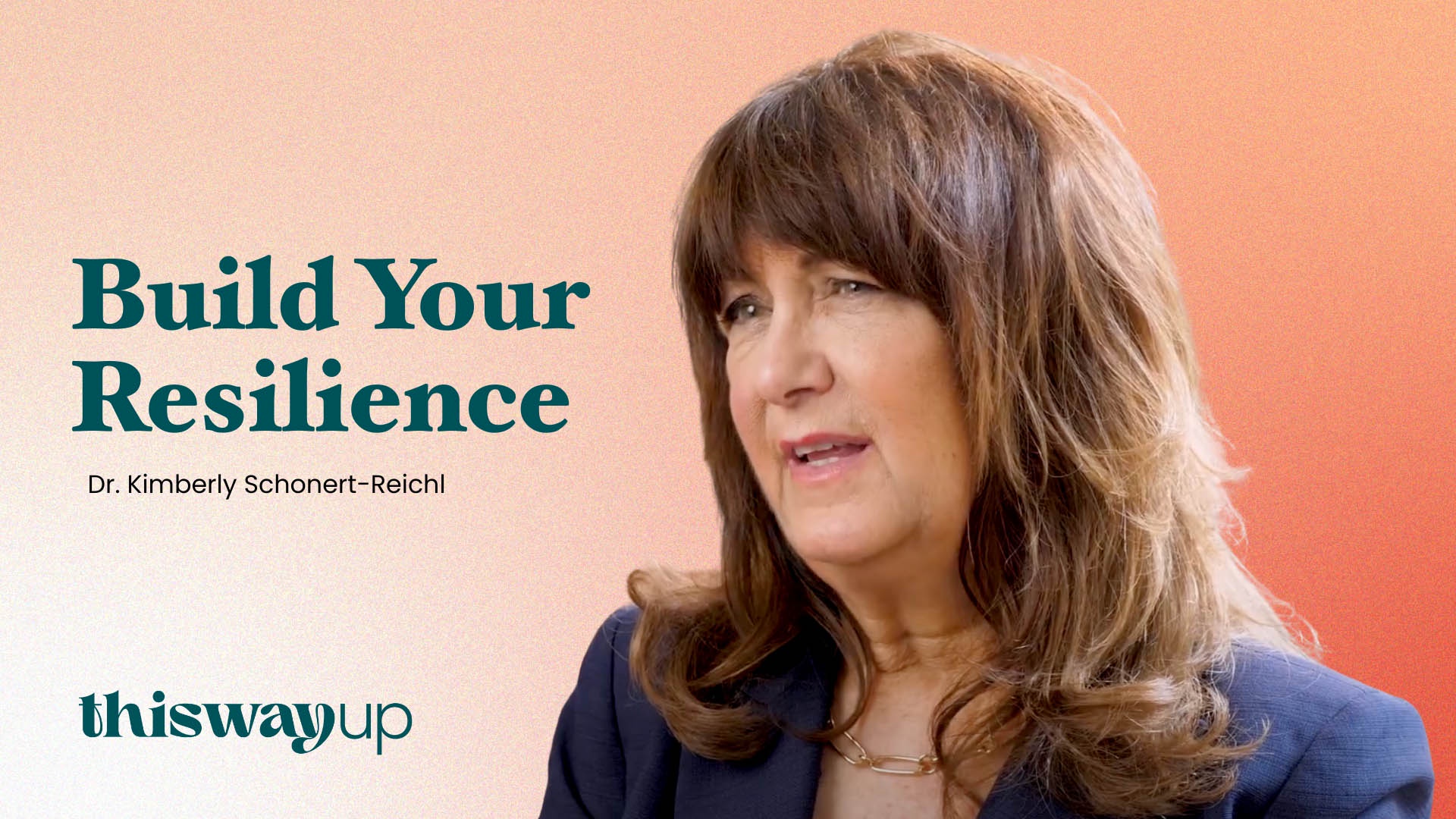

Dr. Kimberly Schonert-Reichl explores how having a sense of purpose can strengthen mental wellness and guide personal growth.
If you're wondering how to find purpose in life, a good place to start is your values: what you really see as important and what you want to do. In this short video, Dr. Kimberly Schonert-Reichl, a professor of psychology and a researcher in social and emotional learning, explains why purpose matters for well-being and how helping others can help you build it.
Key takeaways
- A sense of purpose is, in her words, "one really important aspect of well-being."
- Purpose starts with identifying your values and what you see as important in your life.
- Finding it can feel hard "because there's so many choices." Feeling stuck is normal.
- Her research points to volunteering and activities that benefit others as a way to develop purpose and think about how you are "making a difference in the world."
What Dr. Kimberly Schonert-Reichl says
Dr. Schonert-Reichl describes purpose as a core part of well-being, and she ties it directly to values: "identifying your values and what you really see as important in your life, what you want to do." She is also honest that with so many choices, this is not easy.
Her answer comes from research she has done with others. Being able to "volunteer and help in your community," or "get involved in service learning projects," helps you look up from your own life and ask bigger questions. As she puts it, activities that benefit others help you think about "how you want to help build a better world."
Can helping others help you find purpose?
Research on purpose itself is still growing, but there is good evidence that helping others is good for the helper. In a randomized trial Dr. Schonert-Reichl co-authored, 106 tenth graders who volunteered weekly with younger children for two months ended up with lower levels of several heart disease risk markers than a wait-list group, and preliminary analyses suggested the teens who grew most in empathy and whose negative mood dropped most showed the biggest drops in heart-risk markers (Schreier et al., JAMA Pediatrics).
A larger review of the research found that people who volunteer tend to report less depression and more life satisfaction and well-being, though the authors note that controlled trials have not yet confirmed volunteering causes those benefits (Jenkinson et al., BMC Public Health).
What causes a lack of purpose in life?
It can follow a big change, like a move, a new baby or a job that no longer fits. Or, as the video points out, too many choices and no clear sense of what matters most. Going back to your values makes the choice smaller.
If feeling empty or aimless lasts for weeks, or comes with low mood, losing interest in things you used to enjoy or trouble sleeping, a doctor or therapist can help. If you or someone you know is in crisis, call or text 988 (US).
Small ways to start
Write down three things that matter most to you, then look for one small way to act on them this week: helping a neighbor, joining a local cause or mentoring someone younger. For more on starting fresh, read a fresh start doesn't have to wait until January, and see how connection supports well-being in How Relationships Boost Your Wellbeing.
Video transcript
Transcript (lightly edited for reading):
One really important aspect of well-being is finding a sense of purpose: identifying your values and what you really see as important in your life, what you want to do. And often finding that sense of purpose can be difficult because there's so many choices. But what we found in some of the research that I've conducted with others is that being able to volunteer and help in your community, being able to actually get involved in service learning projects, getting involved in activities that benefit others, actually helps you lift up and think about not only yourself, but how are you making a difference in the world? How are you developing a sense of purpose of who you are and how you want to help build a better world?
Common questions
How can you know your purpose in life?
Start with your values. Ask what you care about most, what you'd want to be known for and when you feel most useful to others. Purpose often shows up in action, so try things and notice what feels meaningful.
Does life have to have one big purpose?
No. For most people, purpose is less a single calling and more a set of things that matter: the people you care for, the work you do and the ways you help others. It can change as your life changes.
Does volunteering help mental health?
Research links volunteering with less depression and higher well-being, and Dr. Schonert-Reichl's own work found benefits for teens who volunteered. It isn't a treatment for mental illness, but it can be one meaningful part of feeling better.
About the expert: Dr. Kimberly Schonert-Reichl is the Endowed Chair in Social and Emotional Learning and a Professor in the Department of Psychology at the University of Illinois at Chicago. She was previously a professor at the University of British Columbia and holds a PhD in Educational Psychology from the University of Iowa.
Related: From Illbeing to Wellbeing: Mindfulness, Gratitude & Growth