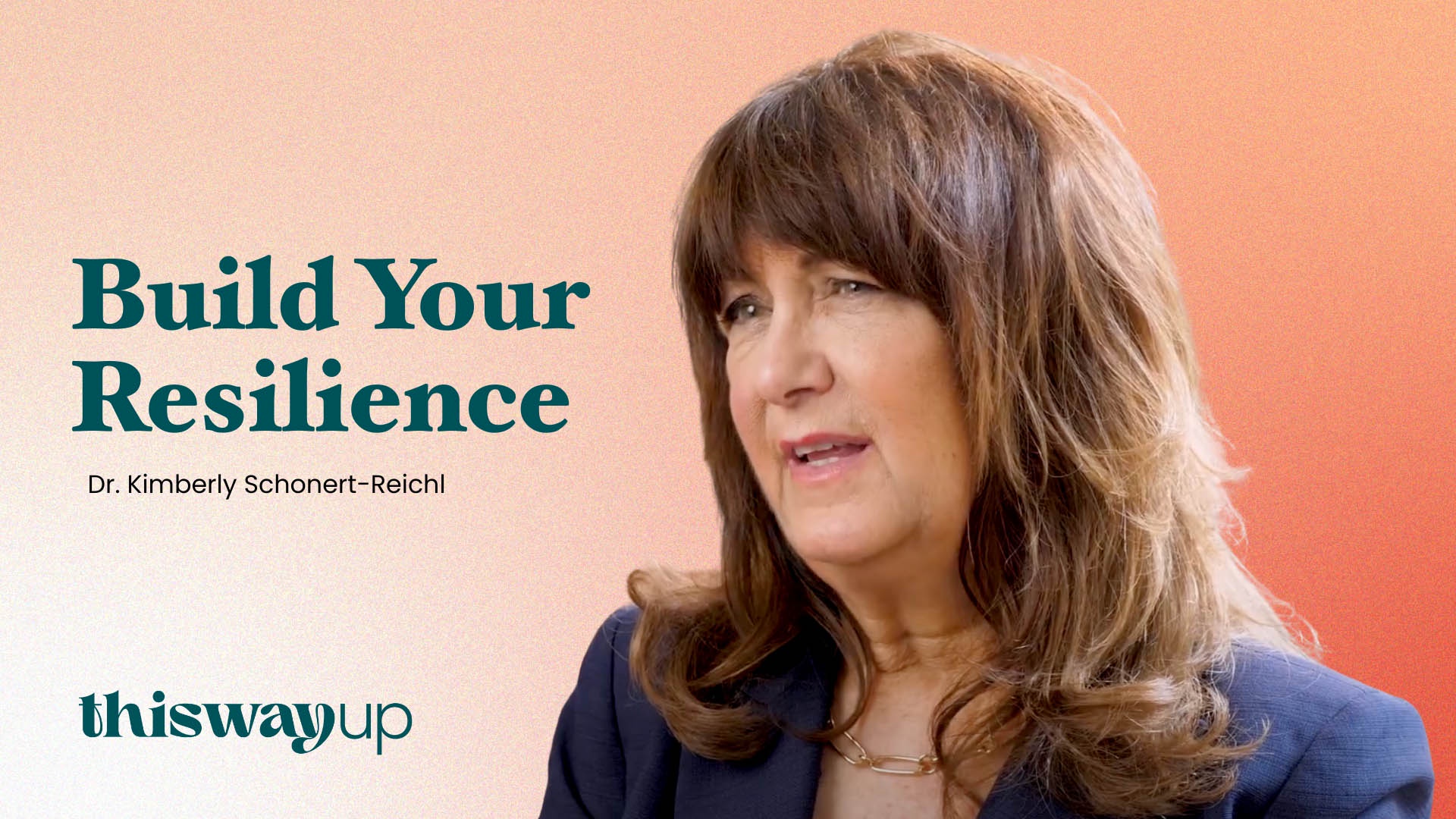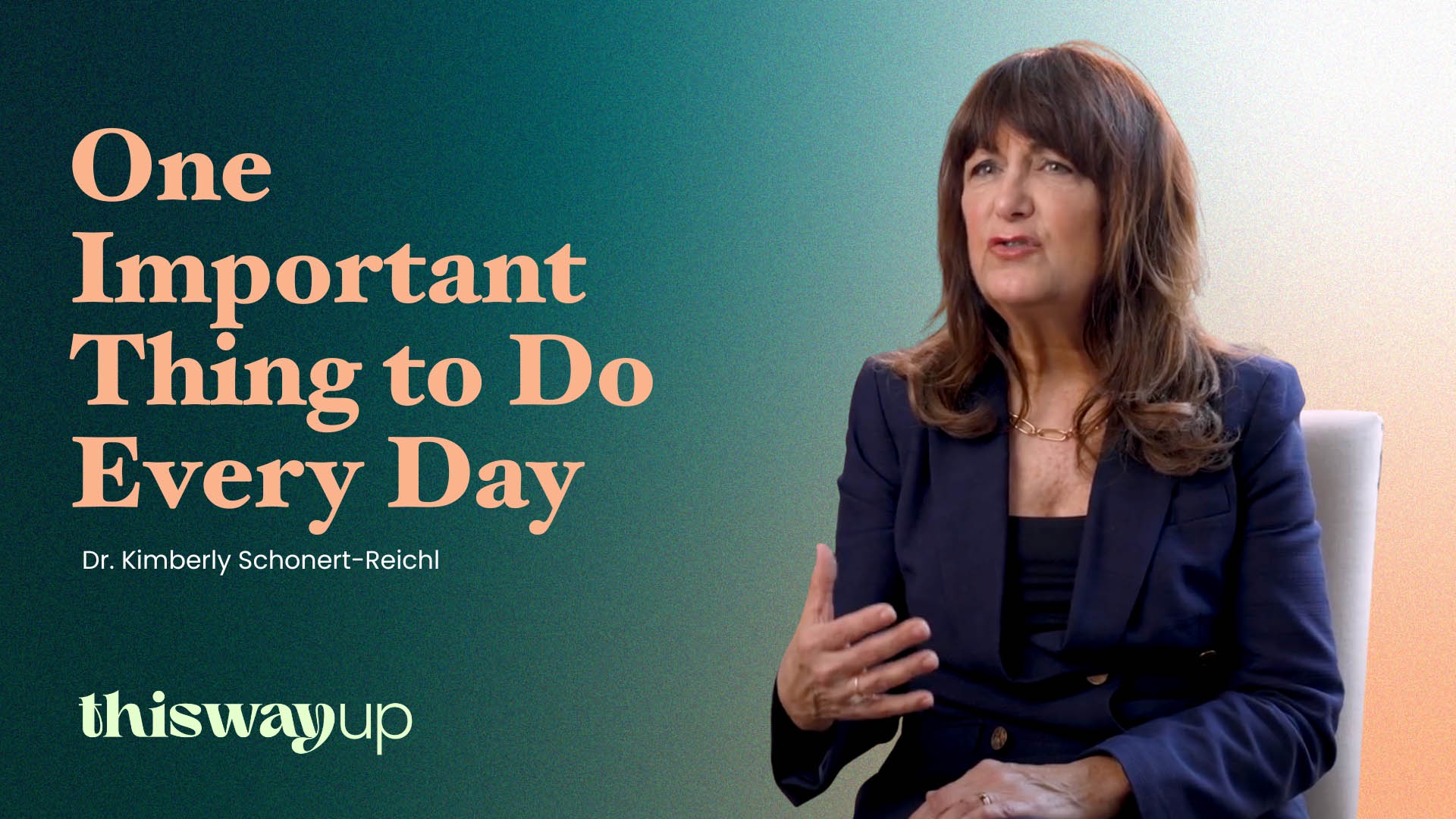

Dr. Kimberly Schonert-Reichl shares how simple practices like mindfulness, gratitude, and kindness can help shift from illbeing to lasting wellbeing.
Mindfulness and gratitude are two of the simplest everyday practices linked to greater well-being, and they work best as small, daily habits rather than big projects. In this video, Dr. Kimberly Schonert-Reichl, a professor of psychology and researcher in social and emotional learning, explains how the science of mental health has shifted from only reducing "ill-being" to actively building well-being, and names three practices that help: mindfulness, gratitude and kindness.
Key takeaways
- For decades, research "focused on ways to reduce ill-being, like depression and anxiety."
- In the last two decades, the focus has widened to "promoting well-being and flourishing."
- Mindfulness can be simple: practicing breathing, "taking a mindful walk," or being with friends, "connecting and really listening."
- Gratitude means "taking time each day just to reflect at the end of the day things for which you're grateful."
- Acts of kindness, and even "just witnessing acts of kindness," boost your well-being.
What Dr. Kimberly Schonert-Reichl says
Dr. Schonert-Reichl frames the clip around a shift in the field. The old focus was on reducing depression and anxiety. Now, she explains, "there's many ways now to not just decrease your depression and anxiety, but actually increase your well-being." Feeling less bad and feeling good are related, but they aren't the same goal.
Her three practices are all small and doable. Mindfulness can mean having "opportunities every day" to breathe, walk mindfully or really listen to a friend. Gratitude can be a few minutes at the end of the day. And kindness, her personal favorite ("another way that I really like a lot"), can be "simple acts." In her words, "When you do things for others," it "actually boosts your well-being."
How do mindfulness and gratitude work together?
Mindfulness trains you to notice what is happening right now. Gratitude asks you to notice what is good in it. Put together, they shift your attention away from what is wrong and toward what is present and working, without pretending the hard parts aren't there.
The research on gratitude backs up a regular gratitude habit. In a classic set of experiments, people randomly assigned to regularly list things they were grateful for showed higher well-being on several, though not all, measures compared with other groups, with the clearest boost in positive mood (Emmons and McCullough, Journal of Personality and Social Psychology).
Do acts of kindness improve mental health?
The evidence says they can lift well-being. A 2018 meta-analysis of 27 studies with 4,045 participants found that performing acts of kindness had a small-to-medium positive effect on the well-being of the person doing them (Curry et al., Journal of Experimental Social Psychology). That is a modest effect, but for something as simple as helping someone, it adds up.
These practices support well-being, but they aren't a treatment for depression or anxiety. If you are struggling, a doctor or therapist can help. If you or someone you know is in crisis, call or text 988 (US).
A simple daily routine
Try one small piece of each: a few slow breaths or a short mindful walk during the day, one kind act for someone else, and before bed, three things you are grateful for. For more on why gratitude works, read why gratitude is the secret to a happier brain and how movement and gratitude work together to improve well-being.
Video transcript
Transcript (lightly edited for reading):
For decades, we really focused on ways to reduce ill-being, like depression and anxiety. But in the last two decades, there's been a real focus on not just decreasing ill-being, but promoting well-being and flourishing. And what we know from the science is there's many ways now to not just decrease your depression and anxiety, but actually increase your well-being. Those things include things like practicing mindfulness: being able to have opportunities every day where you practice breathing or taking a mindful walk, or being able to be with friends, connecting and really listening. Another way to promote your own well-being is practicing gratitude: taking time each day just to reflect at the end of the day things for which you're grateful. And finally, another way that I really like a lot is performing acts of kindness. When you do things for others, it could be simple acts, or even just witnessing acts of kindness, actually boosts your well-being.
Common questions
What is the most effective way to practice gratitude?
Keep it simple and regular. Reflecting on a few specific things at the end of the day, as Dr. Schonert-Reichl suggests, is an easy place to start. For more ways to build the habit, watch Gratitude: A Simple Practice with Big Impact.
Is it gratefulness or gratitude?
Both are correct and mean nearly the same thing. "Gratitude" is the more common word, especially in research and mental health writing.
What is gratitude meditation?
It is a short practice that combines the two: you settle into a few mindful breaths, then bring to mind people, moments or things you appreciate and notice how that feels in your body.
Do I need to meditate to practice mindfulness?
No. In this video, mindfulness includes a mindful walk or really listening to a friend. Any moment you give your full attention to what you are doing counts.
About the expert: Dr. Kimberly Schonert-Reichl is the Endowed Chair in Social and Emotional Learning and a Professor in the Department of Psychology at the University of Illinois at Chicago. She was previously a professor at the University of British Columbia and holds a PhD in Educational Psychology from the University of Iowa.