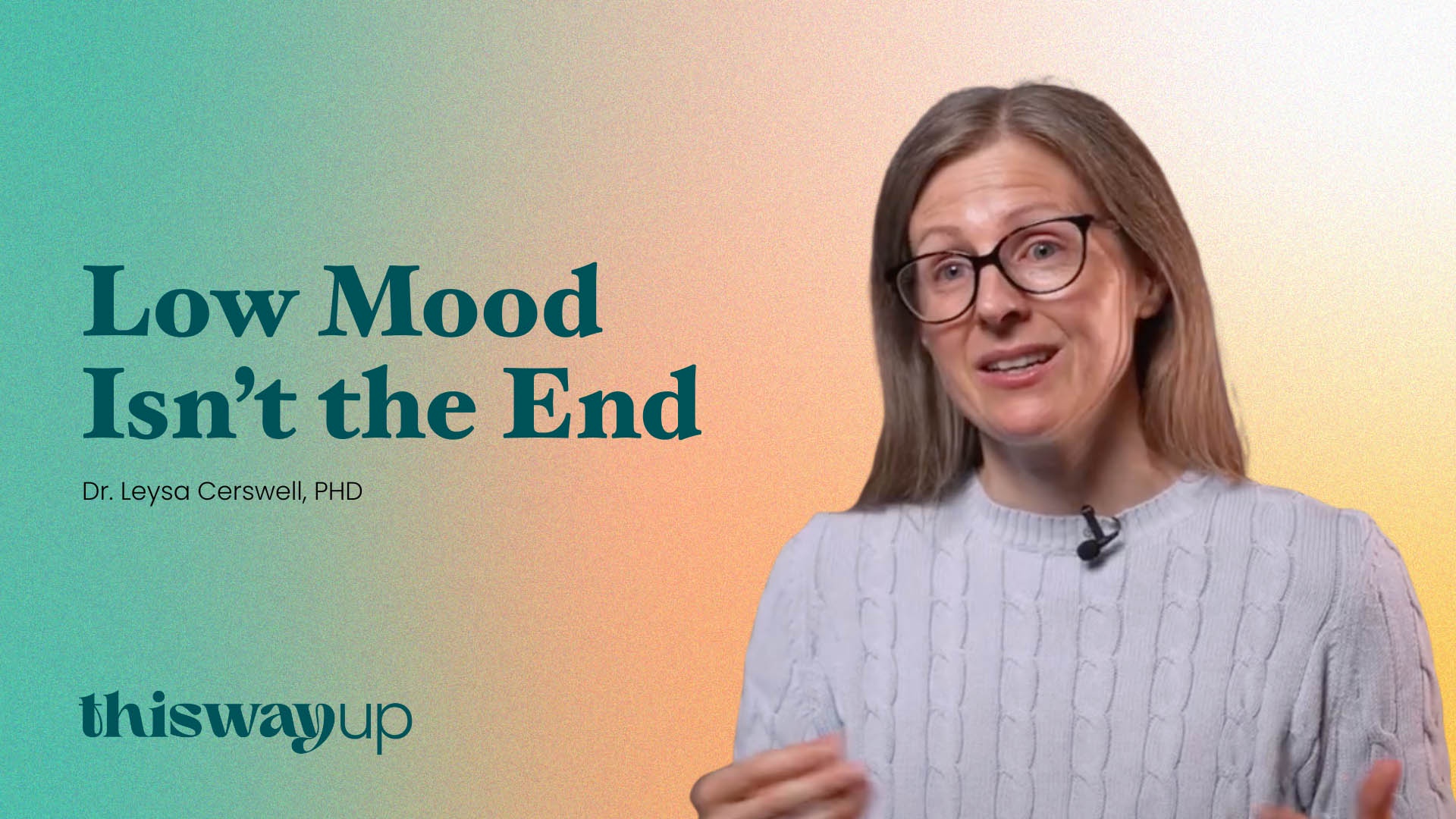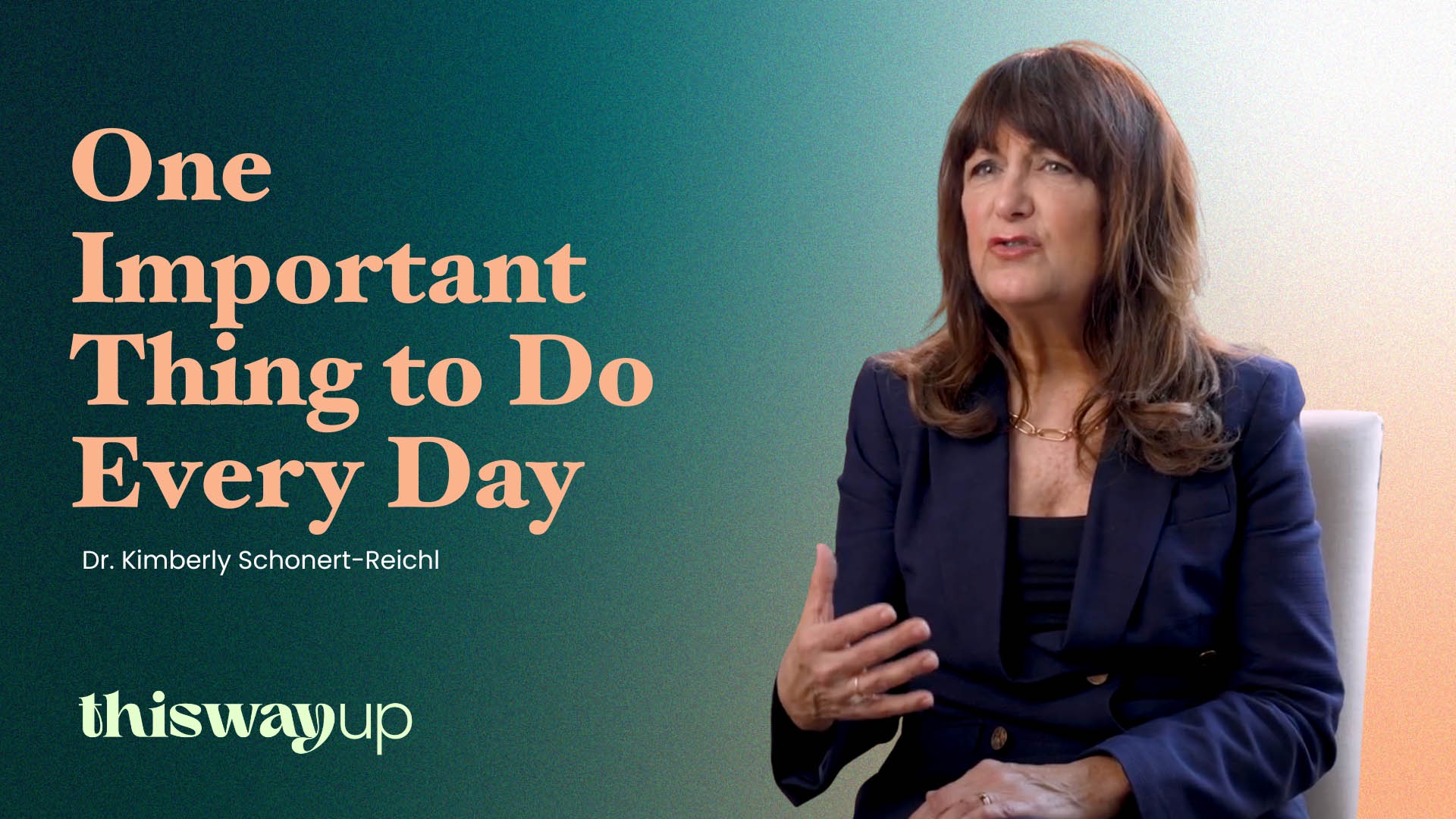

Dr. Leysa Cerswell shares accessible, natural practices you can use anytime to reduce stress and reconnect with calm.
Wondering how to relieve tension in neck and shoulders from anxiety? One of the simplest ways is to notice where you're holding stress and release it on purpose, even with a couple of slow shoulder rolls at your desk. In this video, Dr. Leysa Cerswell, who holds a doctorate in clinical psychology, explains why it helps to release stress before it gets "trapped in our bodies" and shares everyday ways to do it, from body awareness to creative expression, nature and the people and pets around you.
Key takeaways
- Stress that we hold on to "can turn into chronic stress" and "can turn into health problems," so it helps to release it regularly.
- Start with body awareness: notice the places you hold stress, like the neck and shoulders.
- Small moves count. A couple of shoulder rolls while you're sitting at your computer is a good start.
- Other outlets include creative arts, time in nature, a calm and organized space, loving relationships, laughter and pets.
- Notice "what depletes us and what nourishes us," and aim for balance.
What Dr. Leysa Cerswell says
"We know these are stressful times," Dr. Cerswell begins. Her concern is what happens when stress has nowhere to go: "We don't want it to get trapped in our bodies." The goal is to find practices that let you release some of that stress "so we're not holding on to it."
She starts with the body. Being aware of "the places that we hold it, whether that's in the neck and shoulders," and taking small moments throughout the day to let go, like a couple of shoulder rolls if you have a desk job. From there she widens the toolkit: expressing yourself through creative arts, connecting with nature by "feeling our feet on the ground," and feeling "the sun on our face and the breeze in our hair." She admits, "it sounds so cheesy," but these simple things can really help us manage stress.
Your surroundings and relationships matter too. An organized or "aesthetically pleasing environment can really bring you some ease," and so can laughing with your kids or loved ones, or spending time with a pet. "Animals have this incredible ability to help us regulate," she says.
Can stress and anxiety cause neck and shoulder tension?
Yes. When you're stressed or anxious, your body tends to brace, and many people feel it first in the neck, jaw and shoulders. The National Institute of Mental Health lists tension, headaches and body pain among the ways stress and anxiety can show up in the body (NIMH). That's why releasing stress and releasing physical tension often go together.
How to relieve neck and shoulder tension from anxiety
Try this a few times a day, especially if you sit at a screen:
- Check in: are your shoulders creeping up toward your ears? Let them drop.
- Roll your shoulders slowly backward a few times, then forward.
- Take a slow breath in, and let the out breath be a little longer as you soften your neck.
- Step away from the screen for a minute, ideally outside or near a window.
For a longer reset, try our 5-minute progressive muscle relaxation. And if you can, get outside: in a study of nearly 20,000 people, those who spent at least 120 minutes a week in nature were more likely to report good health and high well-being (White et al., Scientific Reports). Our guide to bringing more nature into your routine has easy ideas.
These tips are for everyday tension. If neck or shoulder pain is severe, follows an injury, or comes with numbness, tingling or weakness, see a doctor.
Video transcript
Transcript (lightly edited for reading):
So, we know these are stressful times. So, finding ways for you to release some of that stress. We don't want it to get trapped in our bodies. This can turn into chronic stress. This can turn into health problems. So, we want to be able to find practices that allow us to release some of that stress so we're not holding on to it. Being aware of our bodies and the places that we hold it, whether that's in the neck and shoulders, just being able to do a couple of shoulder rolls when we're sitting at our computer if we have a desk job, or small ways throughout our day to be able to become aware of your body and release some of that stress that you may be holding. And then we can have a number of different practices that allow us to release stress, whether that's through being able to express ourselves through creative arts, whether that's being able to connect with nature, feeling our feet on the ground and how the earth just absorbs that stress from you, and being able to release that way. Being able to feel the sun on our face and the breeze in our hair. It sounds so cheesy, but these natural elements of our lives can really help us manage our stress. Through our environment, whether that's having an organized environment around you, what you're seeing in the world, that sort of openness or aesthetically pleasing environment can really bring you some ease. There's many ways to bring more ease into your life and to help release some of that stress. So, whether that's environmental, whether that's through a daily practice, whether that's through loving relationships, whether that's through laughing with your kids or loved ones, whether that's through a pet. Animals have this incredible ability to help us regulate, and are these incredible creatures that can just neutralize the energy and absorb negative energy. So, really being aware of what depletes us and what nourishes us and having some kind of balance, being able to not only be aware of that through learning about yourself and your daily practice, but then having those elements around you that can help manage your stress.
Common questions
Why does anxiety make my neck and shoulders tight?
When you're anxious, your body braces, and the neck and shoulders are common places to hold it. NIMH lists muscle tension and body pain among the ways stress and anxiety can show up in the body. If the tightness comes with pain that doesn't ease, check in with a doctor.
How do I stop tensing my shoulders when I'm stressed?
Check in a few times a day: drop your shoulders away from your ears, unclench your jaw and breathe out slowly. Noticing sooner is the point Dr. Cerswell makes about releasing stress before it builds up.
How can I ease a tight neck in 30 seconds?
Drop your shoulders away from your ears, roll them back slowly two or three times and take one long breath out. It won't fix everything, but it interrupts the bracing that builds up during the day.
How do you release stress from your body?
Start by noticing where you hold it, then give it an outlet: movement, time outside, creative work, laughter or time with a pet. As Dr. Cerswell says, it helps to know "what depletes us and what nourishes us."
About the expert: Dr. Leysa Cerswell holds a doctorate in clinical psychology and is a faculty member at the Centre for Mindfulness Studies. She is a co-founder of WE Well-being and the author of The Well-Being Playbook.