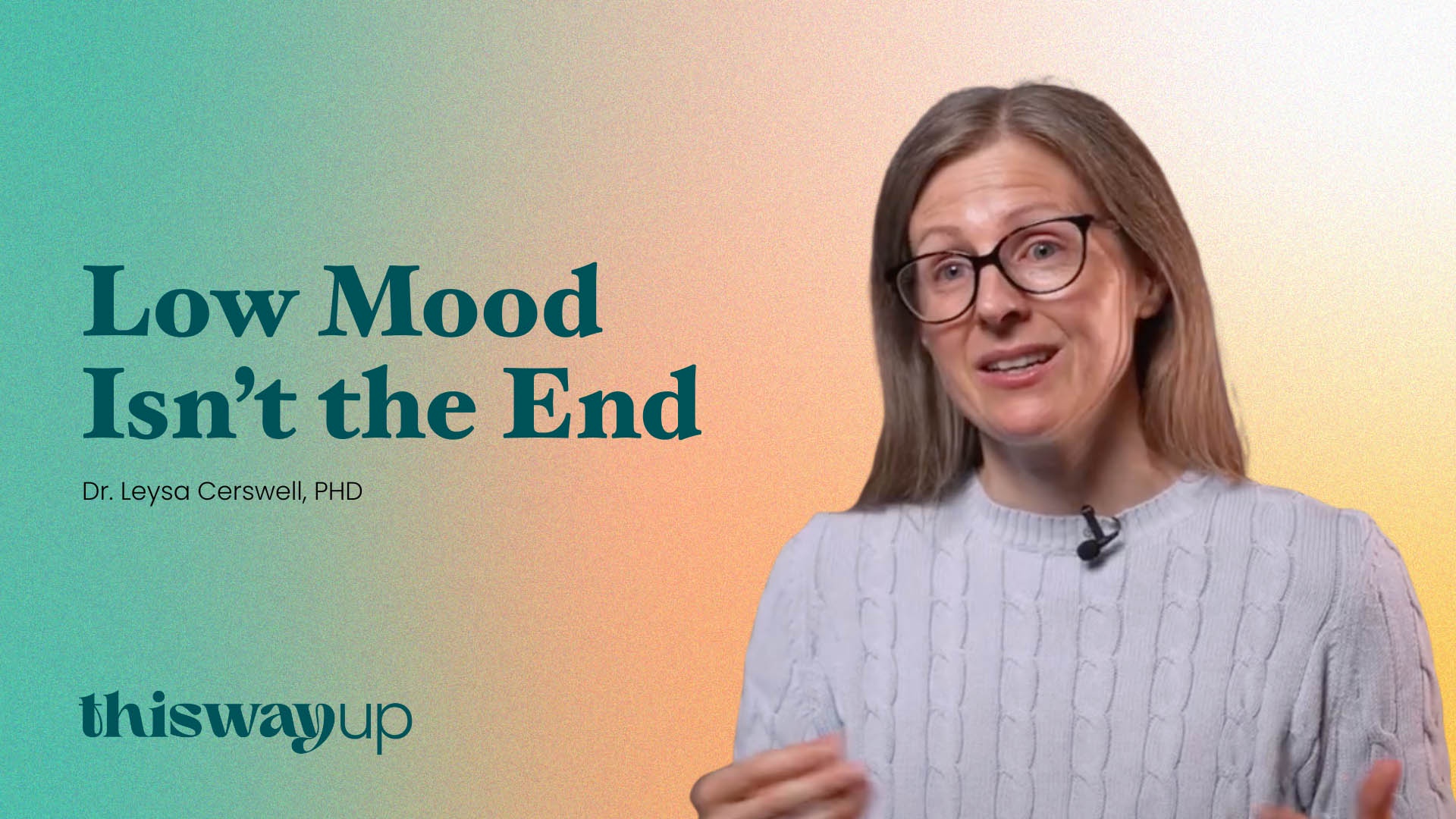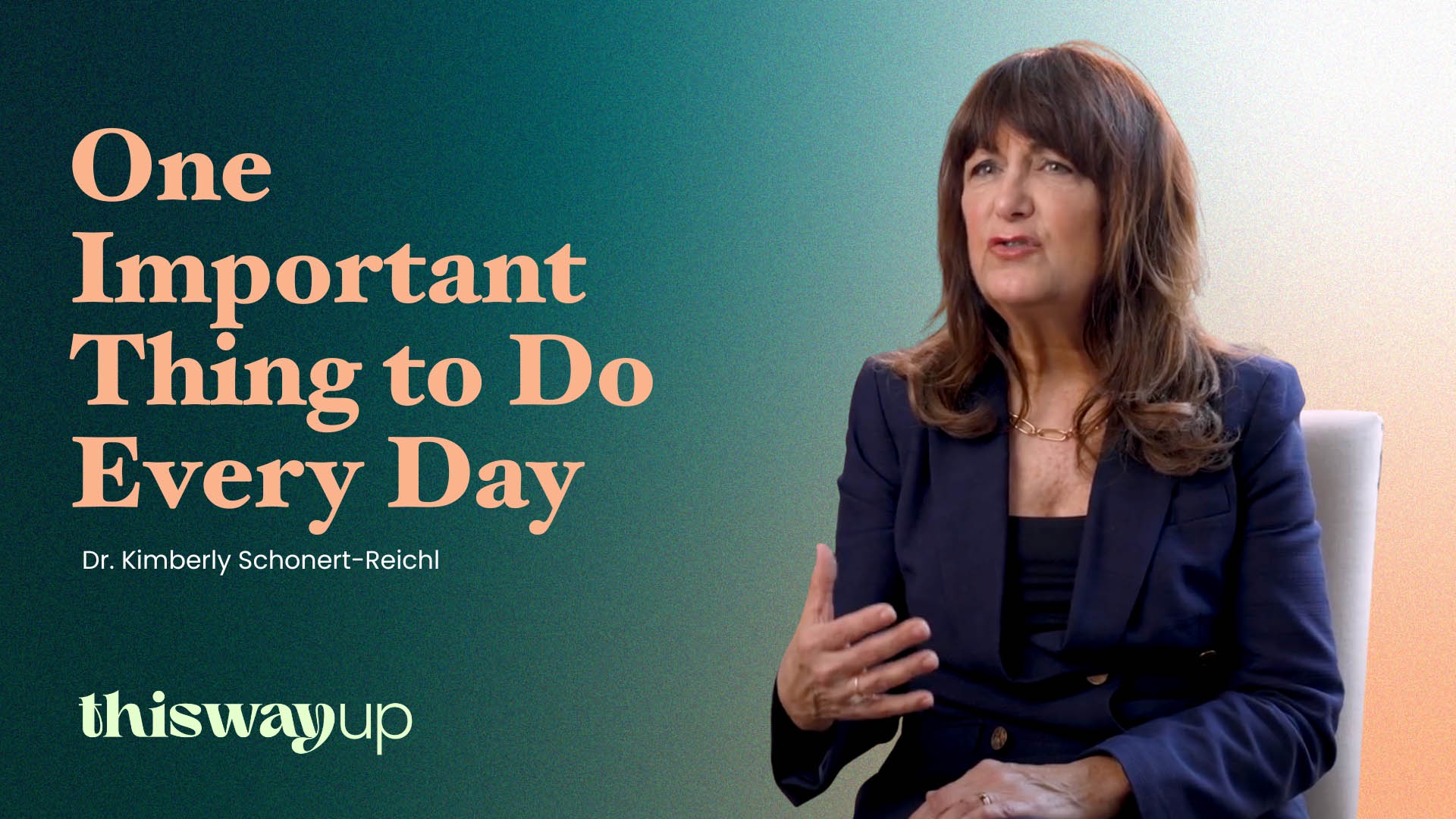

Dr. Leysa Cerswell guides you through a calming breath practice designed to center your mind and body in just a few minutes.
A breathing exercise for anxiety does not have to be complicated. One of the simplest is mindful breathing: you rest your attention on the physical feeling of the breath, and when your mind wanders, you gently bring it back. In this video, Dr. Leysa Cerswell, who holds a doctorate in clinical psychology, guides you through that practice in about five minutes, step by step, so you can follow along right now.
Key takeaways
- Start by settling in: feel your feet on the ground or the support of your chair, and let your eyes close or soften your gaze downward.
- Focus on the physical sensations of breathing, wherever you notice them most: the tip of the nose, the chest rising and falling, or the belly.
- Your mind will wander, over and over. As Dr. Cerswell puts it, "This is perfectly okay. It's just what our minds do." Noticing and coming back is the practice.
- Finish by widening your awareness to your whole body, "from the top of the head all the way down to the soles of the feet."
What Dr. Leysa Cerswell says
"The best way to learn mindfulness is to practice," Dr. Cerswell says, and the video is exactly that: a short guided practice rather than a lecture. She starts with posture, coming into "an awake posture" whether you are sitting or standing, and grounding yourself through the feeling of your feet on the floor.
From there, the breath becomes an anchor. You don't need to change how you breathe. You simply notice "the sensations of this in breath coming all the way in, and this out breath going all the way out." If it helps, she suggests placing a hand on your belly to feel it rise and fall.
The most useful part may be how she treats distraction. Your attention will drift into thinking or planning, and that is not failure. Each time you notice where your mind has gone and return to the breath, you are doing the exercise. She ends by expanding awareness from the breath to the whole body before gently opening your eyes.
Can a breathing exercise help with anxiety?
Research suggests it can, especially when breathing is paired with mindfulness. In a 2023 randomized trial of 276 adults with anxiety disorders, an eight-week mindfulness program built around practices like this one worked about as well as the antidepressant escitalopram at reducing anxiety (Hoge et al., JAMA Psychiatry).
Slow, attentive breathing also affects the body directly. A 2018 systematic review linked slow breathing to greater activity in the parasympathetic nervous system, the "rest and digest" side, along with lower reported anxiety and arousal (Zaccaro et al., Frontiers in Human Neuroscience).
Breathing exercises are a tool, not a cure. If anxiety is getting in the way of daily life, a doctor or therapist can help you find the right support.
When to use this practice
Mindful breathing works best when you practice it on calm days too, so it feels familiar when anxiety shows up. Try it before a stressful conversation, when you wake up at night with a racing mind, or as a two-minute reset between tasks. For more short techniques, see our 5-minute deep breathing exercises and 5-minute grounding exercises for anxiety.
Video transcript
Transcript (lightly edited for reading):
The best way to learn mindfulness is to practice. So I would love to guide you through a short mindfulness practice. To start, if you are comfortable, take a moment to settle in, whether you're sitting in a chair or just getting comfortable, coming into an awake posture, and allowing your eyes to close if that feels comfortable, or simply turning your gaze downwards. Take a moment to settle in, feeling your feet on the ground if you're sitting, or feeling supported by the chair, or if you're standing, just taking a moment to notice your body wherever it is. And just becoming aware of the physical sensations of breathing. Noticing the sensations of this in breath coming all the way in, and this out breath going all the way out. Naturally, you may notice your mind gets pulled into thinking or planning. This is perfectly okay. It's just what our minds do. As best you can, bring your attention back to focusing on the physical sensations of breathing in the body. Noticing the sensations of this in breath and the sensations of this out breath. Take a moment to explore the physical sensations of breathing wherever they're most prominent for you, whether that's at the tip of the nose, in the nostrils, or the chest and lungs expanding, rising and falling. Or you may notice the breath at the level of the belly. If it helps, you can even place a hand on your belly. Just becoming aware of the physical sensations of this in breath and this out breath. Our attention will wander over and over again. This is perfectly okay. It's just what our minds do. So, as best you can, notice where your attention has wandered and bring it back, focusing on the physical sensations of breathing wherever they're most prominent for you in the body. Allowing the awareness of breathing to anchor your attention right here in this moment. Noticing the sensations of this in breath and the sensations of this out breath. Allowing the breath to move in and out of the body in a way that feels comfortable for you. And then, when you're ready, expanding your awareness around the breath to include the entire body, from the top of the head all the way down to the soles of the feet, and being with this expanded awareness for the next moments of this practice. And then, when you're ready, letting go of this brief practice and gently opening your eyes.
Common questions
What is the best breathing exercise for anxiety?
There is no single best one, but mindful breathing is among the easiest to learn because you don't have to count or control your breath. You just notice it. Slow breathing techniques, like breathing out longer than you breathe in, are another well-studied option.
Can anxiety cause breathing problems?
Yes. Anxiety can make breathing feel fast, shallow or tight, and some people hold their breath without realizing it. Gently paying attention to the breath, as in this practice, can help you notice and settle those patterns. If breathing problems are frequent or severe, check in with a doctor.
How can I calm my nerves in 30 seconds?
Feel your feet on the floor, then follow two or three slow breaths all the way in and all the way out, noticing where you feel them most. It's a shortened version of the practice in this video, and it works anywhere.
What if my mind keeps wandering during the exercise?
That is expected. In Dr. Cerswell's words, "our attention will wander over and over again. This is perfectly okay." Each time you notice and come back to the breath, you are strengthening the skill.
About the expert: Dr. Leysa Cerswell holds a doctorate in clinical psychology and is a faculty member at the Centre for Mindfulness Studies, where she trains educators and health-care practitioners in mindfulness-based programs.
Related: Meditation with Purpose: Build Awareness & Attention