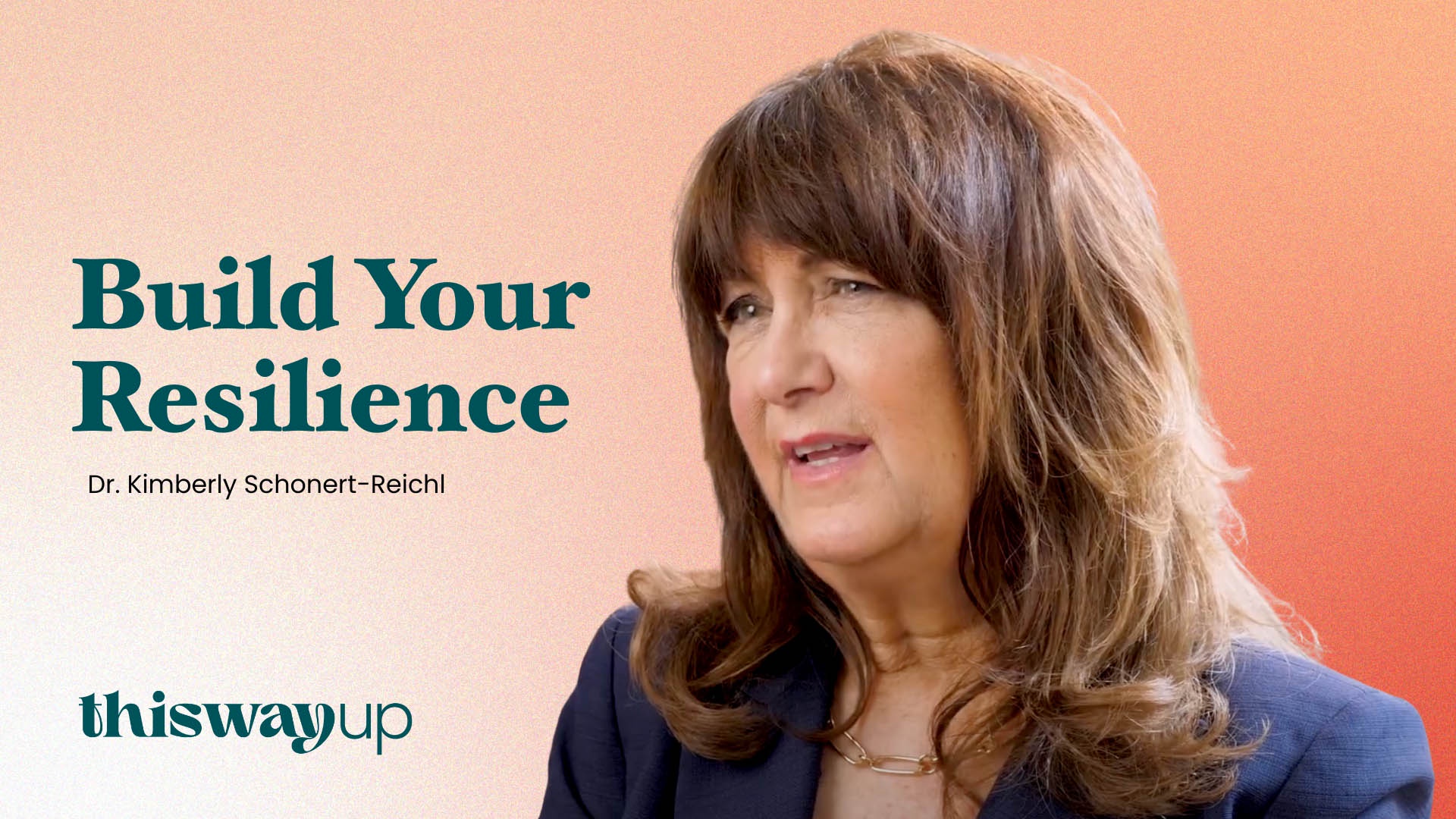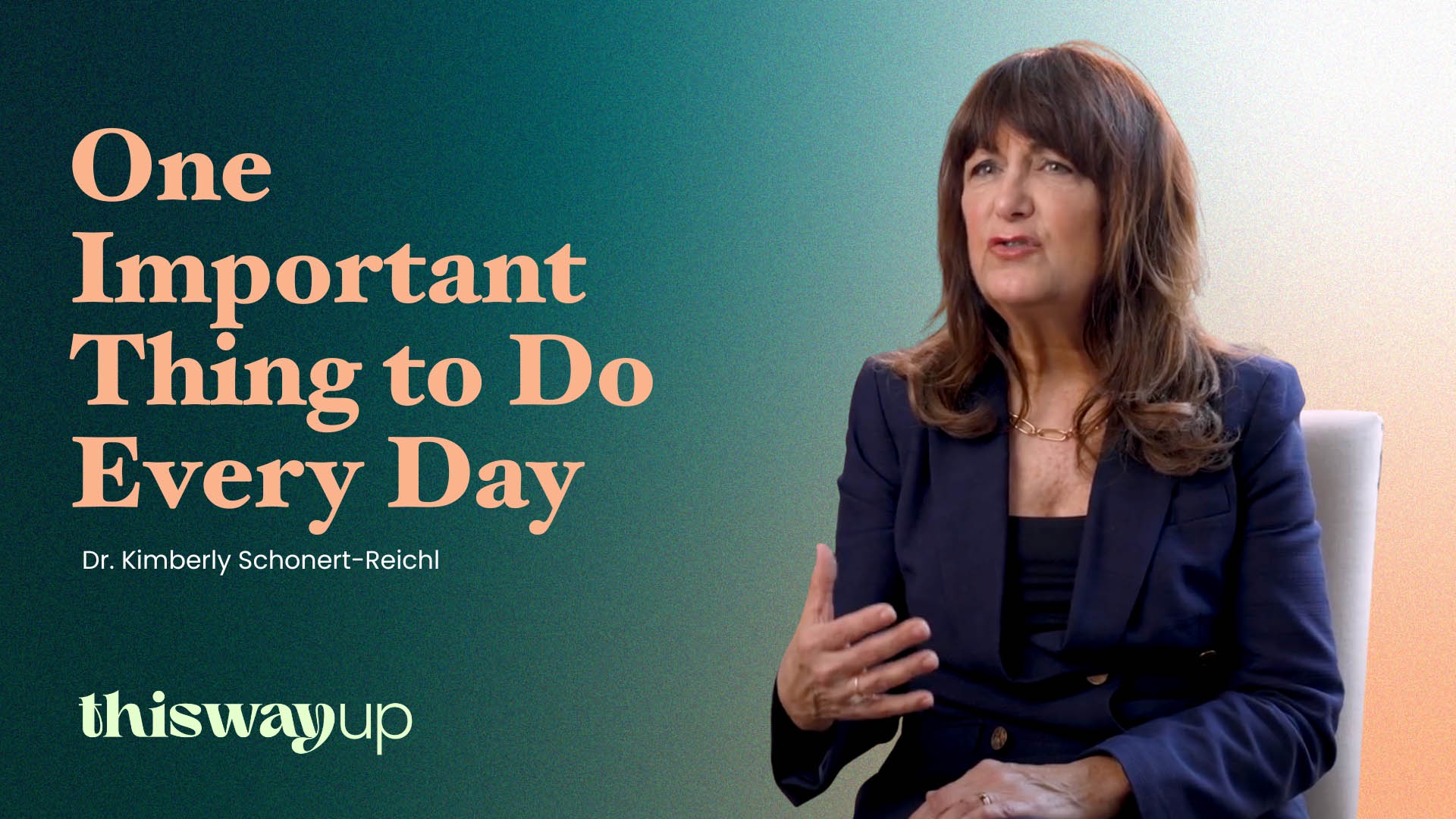

Dr. Kimberly Schonert-Reichl explains how setting healthy boundaries and practicing self-compassion can reduce stress and support mental wellbeing.
Here's how to set boundaries with people who stress you out: decide ahead of time how much time and energy you can realistically give them, then hold that limit, even with people you can't avoid. In this video, Dr. Kimberly Schonert-Reichl, a professor of psychology and researcher in social and emotional learning, shares two tools that work together: boundaries to protect your time, and self-compassion to quiet the voice that replays everything you did wrong.
Key takeaways
- Some stressful people are part of your everyday life, so cutting them off is not always an option.
- Set boundaries for yourself on how much time you spend with them and how much you can do for them.
- Self-compassion is "a key ingredient."
- To practice it, imagine what your very best friend would say to you when you feel like you're failing.
What Dr. Kimberly Schonert-Reichl says
Dr. Schonert-Reichl starts with a situation most people recognize. "We have different people in our lives that can cause a lot of stress to us," she says, and "they're people who we can't really get out of our lives because we deal with them every day." Her advice is not to avoid them but to "set boundaries for yourself of how much time you spend with them," and to be clear with yourself about what you can do for them.
Boundaries are only half of it. "I think also to be able to practice self-compassion, that is really a key ingredient," she says. She describes self-compassion as "thinking of that person in your head, of your very best friend," and what they would say to you in a hard moment.
Her example is one many people know well: you don't do well on an exam or a job interview, and you "over and over again replay all the things you did wrong." Then picture that friend telling you, "You nailed it," and reminding you that "you have other opportunities." As she puts it, "you really need to practice that self-compassion."
How do you set boundaries with someone you can't avoid?
Start with your limit, not their behavior. You can't control what a difficult coworker, relative or classmate does, but you can decide what you will do. A few steps that help:
- Decide your limit first. For example: one phone call a week, leaving family dinner by 8, or not answering work messages after a certain hour.
- Say it simply and kindly. "I can help with this part, but not the rest" or "I need to head out at 8." You don't owe a long explanation.
- Expect some pushback. People used to your old limits may test new ones. Calmly repeating yourself is enough.
- Follow through. A boundary you hold once is worth more than one you announce many times.
Healthy boundaries are not about pushing people away. You can love someone and still have limits. Clear limits often make relationships steadier, because you are less likely to build up resentment.
Why self-compassion makes boundaries easier to keep
Setting a limit can stir up guilt or self-criticism, which is where self-compassion comes in. Psychologist Kristin Neff, who helped define the concept, describes it as being kind and understanding toward yourself in moments of pain or failure, rather than harshly self-critical (Neff, Self and Identity). It can be learned, too: a 2019 meta-analysis of 27 randomized controlled trials found that self-compassion programs improved outcomes including stress, depression, anxiety, rumination and self-criticism compared with control groups (Ferrari et al., Mindfulness).
The next time you hold a boundary and feel bad about it, try Dr. Schonert-Reichl's best-friend test. For more ideas, see self-compassion as a tool for stress recovery and how self-criticism affects you and why we do it.
Video transcript
Transcript (lightly edited for reading):
If I really had to give advice: we have different people in our lives that can cause a lot of stress to us, and we know that, and they're people who we can't really get out of our lives because we deal with them every day. And I think a critical component is to actually set boundaries for yourself of how much time you spend with them, how much you're able to sort of set those boundaries with what you can do for them. But I think also to be able to practice self-compassion, that is really a key ingredient. This notion of self-compassion is relatively new in the science. And think of self-compassion as thinking of that person in your head, of your very best friend, what they would say to you when you're dealing with a difficult situation. You might say, "I'm really feeling like I'm failing at this. I didn't do well on this exam," or "I didn't do well in this job interview," and you might sort of over and over again replay all the things you did wrong. But then think of that friend coming to you going, "You nailed it. You really had that ability to manage that stressful situation, and that exam, you can do it again. You have other opportunities." So you really need to practice that self-compassion.
Common questions
What are signs of unhealthy boundaries?
Common signs include saying yes when you mean no, feeling drained or resentful after time with certain people, feeling responsible for other people's moods, and having trouble making decisions without someone else's approval.
Why are healthy boundaries important?
They protect your time, energy and mental health. Boundaries make it easier to show up for the people you care about without burning out, and they help others know how to treat you.
How do you set boundaries politely?
Keep it short, warm and about you: "I'd love to talk, but I only have 15 minutes" or "I can't take that on this week." Using "I" statements and skipping long justifications keeps the conversation calm.
Can you love someone and still have boundaries?
Yes. Boundaries are part of healthy relationships, including with family and partners. If someone repeatedly ignores your limits or you feel unsafe, a therapist or counselor can help you plan next steps.
About the expert: Dr. Kimberly Schonert-Reichl is the Endowed Chair in Social and Emotional Learning and a Professor in the Department of Psychology at the University of Illinois at Chicago. She was previously a professor at the University of British Columbia and holds a PhD in Educational Psychology from the University of Iowa.
Related: We Are Our Own Harshest Critics: How to Practice Self-Compassion