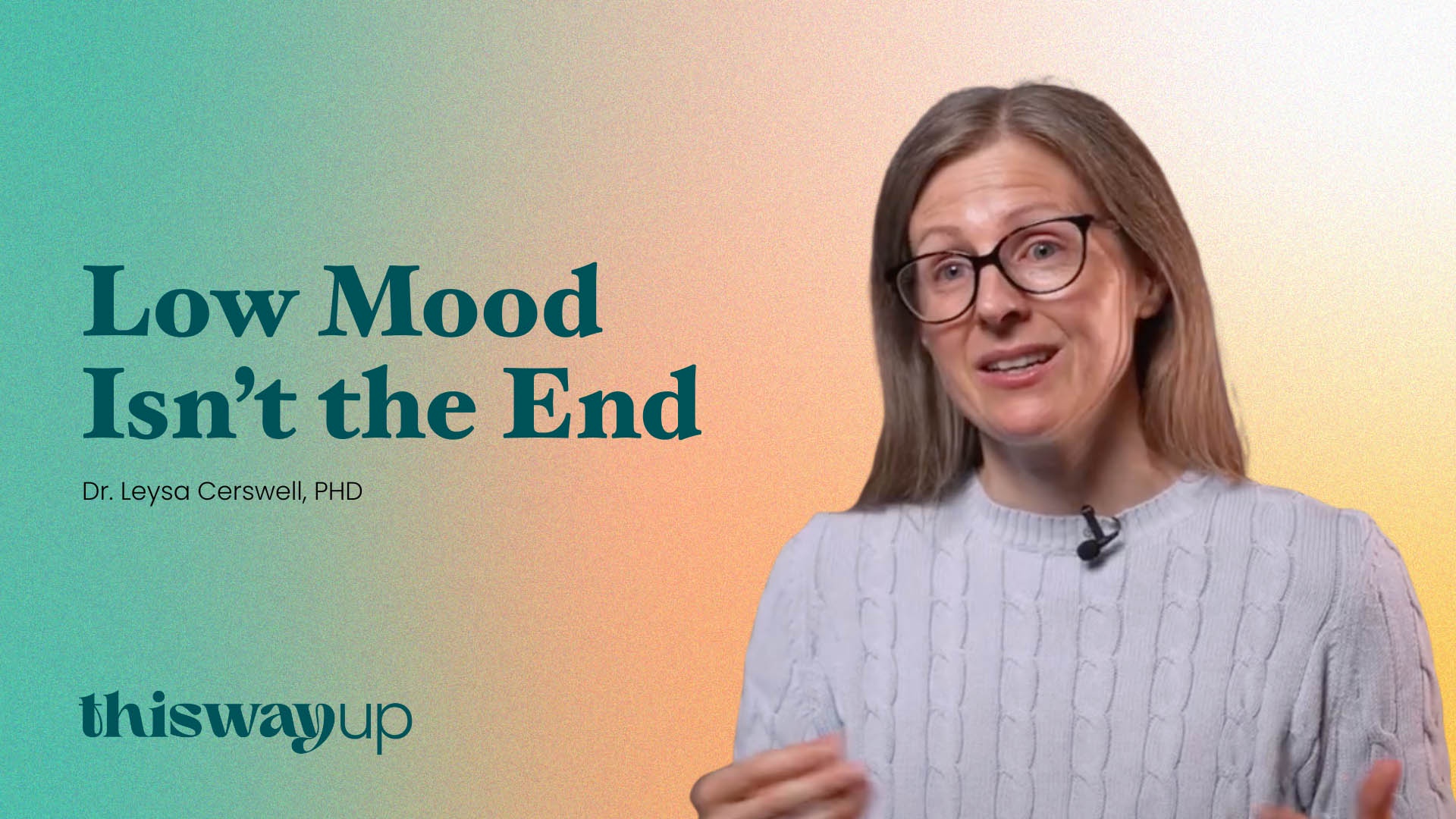

Dr. Jody Carrington explains that true healing requires acknowledgment and safety, not pressure to simply be "fine."
Key takeaways
- The urge to tell someone to "get over it" usually comes from love, we hate seeing people we care about hurt.
- But "you can't address what you don't acknowledge." Rushing past pain leads to numbing, not healing.
- "The chaos and unpacking it is necessary to get to the calm."
- People heal when there's a safe place to put it, not when they're pressured to be "fine."
What Dr. Carrington Covers
Dr. Jody Carrington names something most of us have done with good intentions: we want the people we love to feel better, so we tell them to take a deep breath, you'll be fine. As she explains, "the intention behind that is so great," because "we like it best when people are calm" and we don't want them hurting. The problem is that "you can't address what you don't acknowledge."
When we push people (or ourselves) to be okay too quickly, it leads to "numbing behaviors", the "I'm fine, you're fine, everybody's fine" we default to. But, she says, "the chaos and unpacking it is necessary to get to the calm." Healing needs a safe place to put the hard stuff and someone willing not to fix it right away. "You don't just get over something that doesn't get a little light, that doesn't have an opportunity to be untangled or unpacked."
Video Transcript
Transcript (lightly edited for reading):
So much in this mental health space, we would like the people we love or the people we care for to get over things. We'd like you to just suck it up and get over it. And what's interesting is the intention behind that is so great. We like it best when people are calm, settled, and healed. When we love people or care for them deeply, we don't want them to be hurting, sad, anxious, having flashbacks, or not being able to sleep. When we get to the more complex parts of mental health, we just want them to be okay. Just take a deep breath, you're going to be fine. And the hard part is that you can't address what you don't acknowledge. The intensity with which we wish for other people to be okay, and even the intensity with which we wish ourselves to be okay, often leads to a lot of numbing behaviors, an attempt to not think about it. I'm fine, you're fine, everybody's fine. We ask people all the time, how are you? And we generally respond with, I'm fine, because we'd love it if everybody could just be fine. The hard part is that the chaos and unpacking it is necessary to get to the calm. For many people, when there's not a safe place to put it, or when people don't appreciate or understand, or just don't try to fix it for a little bit, we have nowhere to put it. And so you don't just get over something that doesn't get a little light, that doesn't have an opportunity to be untangled or unpacked.
Common Questions
Why doesn't telling someone to "just get over it" work?
Because, as Dr. Carrington puts it, "you can't address what you don't acknowledge." Rushing someone to be fine skips the step that actually heals, and usually pushes the pain into hiding instead.
What does real emotional healing require?
Acknowledgment and safety. The hard feelings need "a little light", a safe place to be untangled and unpacked, rather than pressure to settle quickly.
Why do we numb instead of feel?
Because feeling is uncomfortable and we want everyone (ourselves included) to be okay. That wish, however loving, can turn into "I'm fine" on repeat, which is numbing, not healing.
How can I support someone who's struggling?
Resist the urge to fix it right away. Offer a safe, patient place for them to put what they're carrying. As the video says, the chaos of unpacking is necessary to get to the calm.