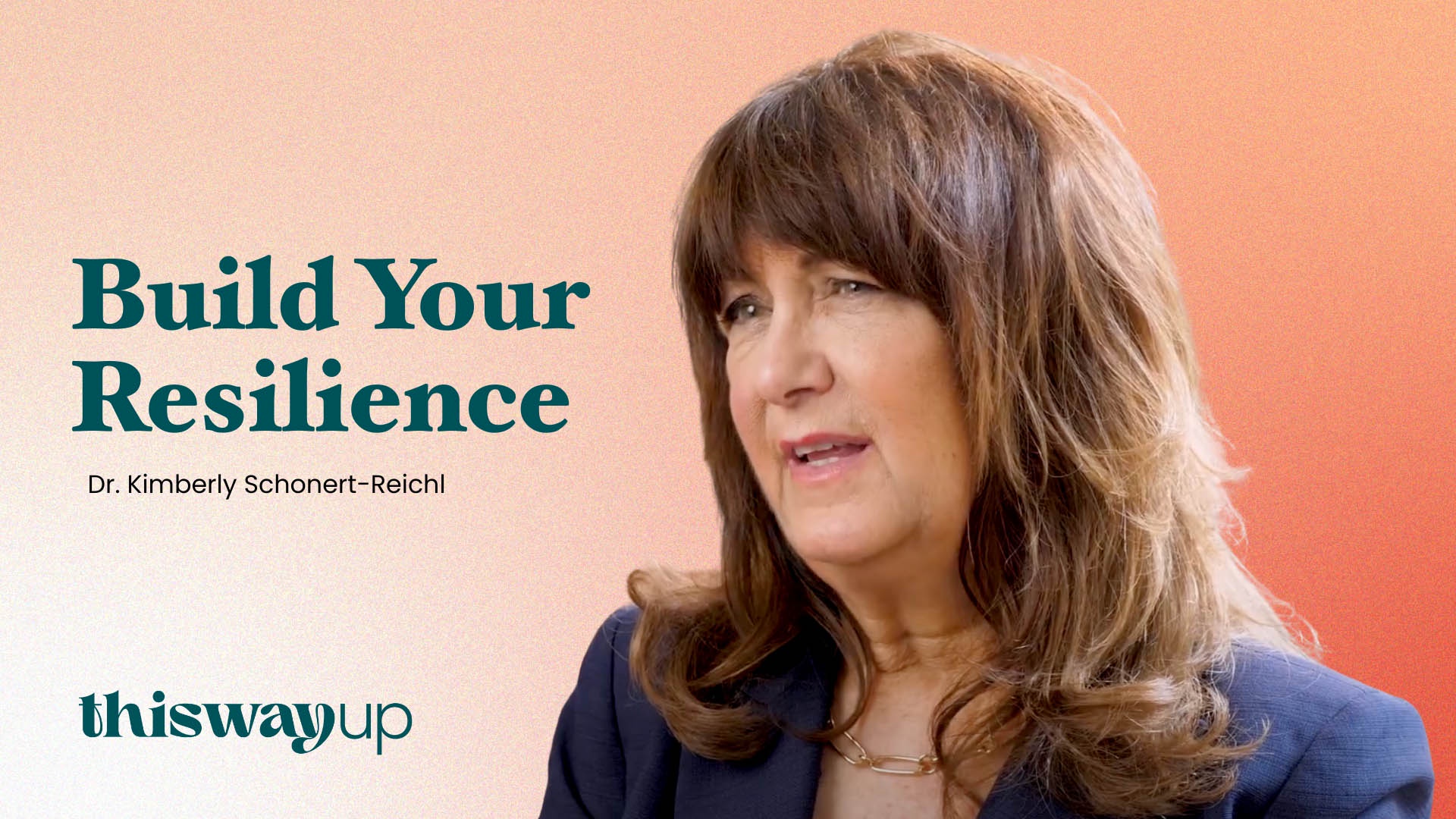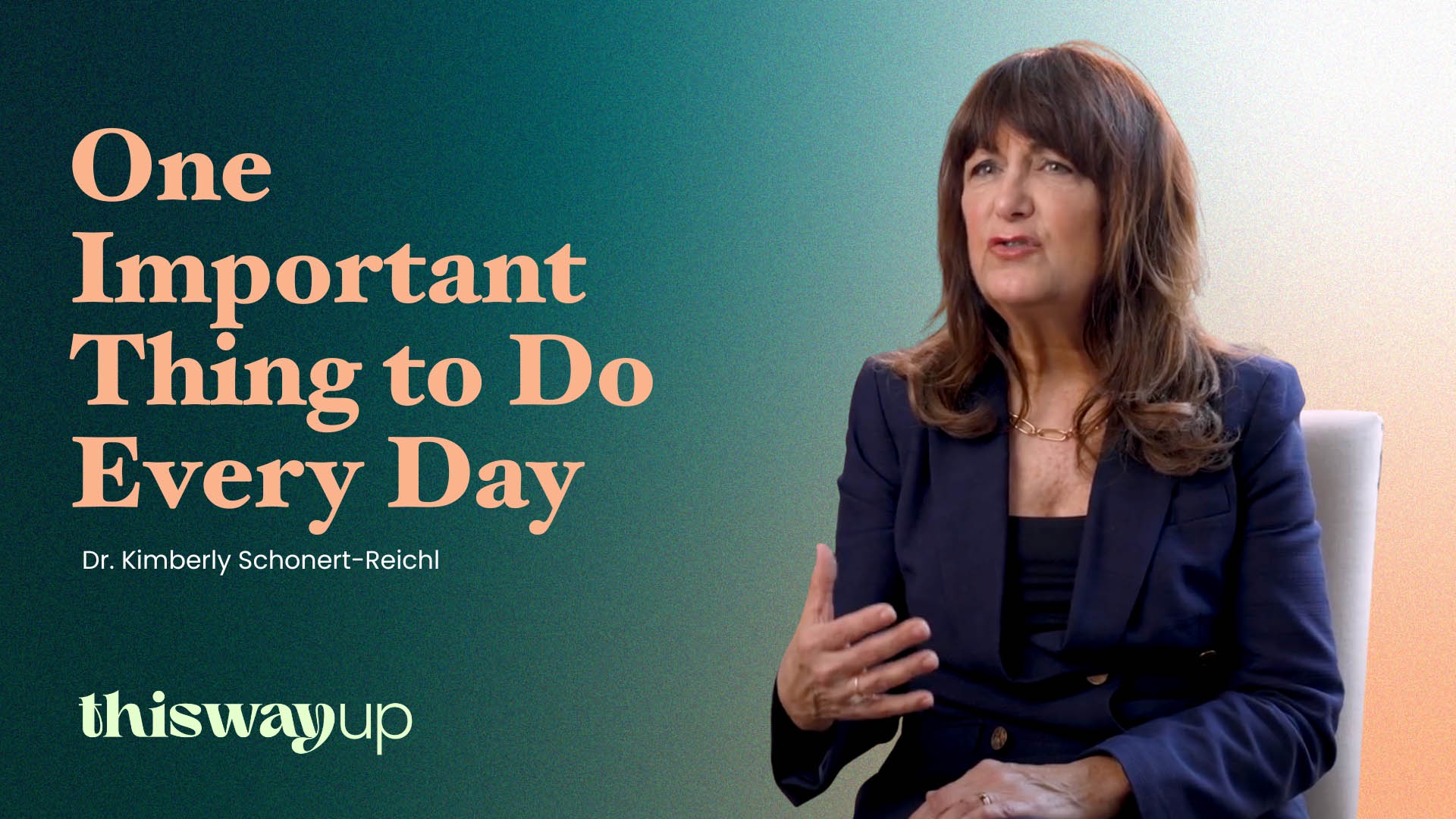

Dr. Kimberly Schonert-Reichl explores how meaningful support and connection can help lay the foundation for real happiness.
If you want to know how to be happier, start with the people around you. Research on happiness keeps coming back to the same answer: close, supportive relationships matter more than almost anything else. In this short video, Dr. Kimberly Schonert-Reichl, a professor of psychology who studies social and emotional learning, sums it up in one line: the key to happiness is social support.
Key takeaways
- If Dr. Schonert-Reichl had to name one key to happiness, "it is social support."
- Support means "having trusted others standing behind you."
- Knowing you have people to go to is, in her words, "the key to resiliency and well-being."
What Dr. Kimberly Schonert-Reichl says
Dr. Schonert-Reichl doesn't hedge. "If I had to say one thing that is the key to happiness, it is social support," she says. Out of everything that could make the list, she puts people first.
Her definition is practical: "having trusted others standing behind you, knowing that you have other people to go to." Notice that she talks about trusted people, not a big social circle.
She also ties support to bouncing back. Having people behind you "is the key to resiliency and well-being," so the same relationships that lift your mood on good days help carry you through hard ones.
What is the #1 predictor of happiness?
No single factor explains happiness, but relationships come close. The Harvard Study of Adult Development has followed people since 1938, starting with 268 Harvard sophomores. Its researchers found that close relationships, more than money or fame, are what keep people happy throughout their lives, and that these ties predicted long and happy lives better than social class, IQ or even genes (Harvard Gazette).
Connection affects physical health too. A review of 148 studies with 308,849 participants found that people with stronger social relationships had a 50% greater likelihood of survival over the study periods (Holt-Lunstad et al., PLoS Medicine).
How to be happier by building support
You don't need a full social calendar. Start with one person: send a message, ask for a walk, or say yes to the next invitation. Support also works both ways, so showing up for someone else strengthens the bond for you too. Gratitude helps here, since it turns your attention toward the people and things that are going right; see why gratitude is good for your brain. And if you've ever felt like you don't quite fit, read you don't have to fit in to belong.
Video transcript
Transcript (lightly edited for reading):
If I had to say one thing that is the key to happiness, it is social support. Having trusted others standing behind you, knowing that you have other people to go to, it is the key to resiliency and well-being.
Common questions
How can I feel better right now?
Reach out to someone you trust, even with a short text or call. Hearing a familiar voice can help you feel less alone, and it's social support in action.
How does gratitude increase happiness?
Gratitude shifts your attention from what's missing to what's good. Saying thank you out loud, or telling someone what they mean to you, can also strengthen the relationships that support your well-being.
How can I be happy when I'm depressed?
Depression is a health condition, not a lack of effort, and you don't have to fix it alone. Support from people you trust helps, and so does professional care. Talk to a doctor or therapist. If you or someone you know is in crisis, call or text 988 (US).
What if I don't have many people to lean on?
That's more common than it looks. Start small and local: a class, a support group or a community you already belong to. One trusted connection is a real start.
About the expert: Dr. Kimberly Schonert-Reichl is the Endowed Chair in Social and Emotional Learning and a Professor in the Department of Psychology at the University of Illinois at Chicago. She was previously a professor at the University of British Columbia and holds a PhD in Educational Psychology from the University of Iowa.
Related: Connection First: Why Safe Communities Matter More Than Ever