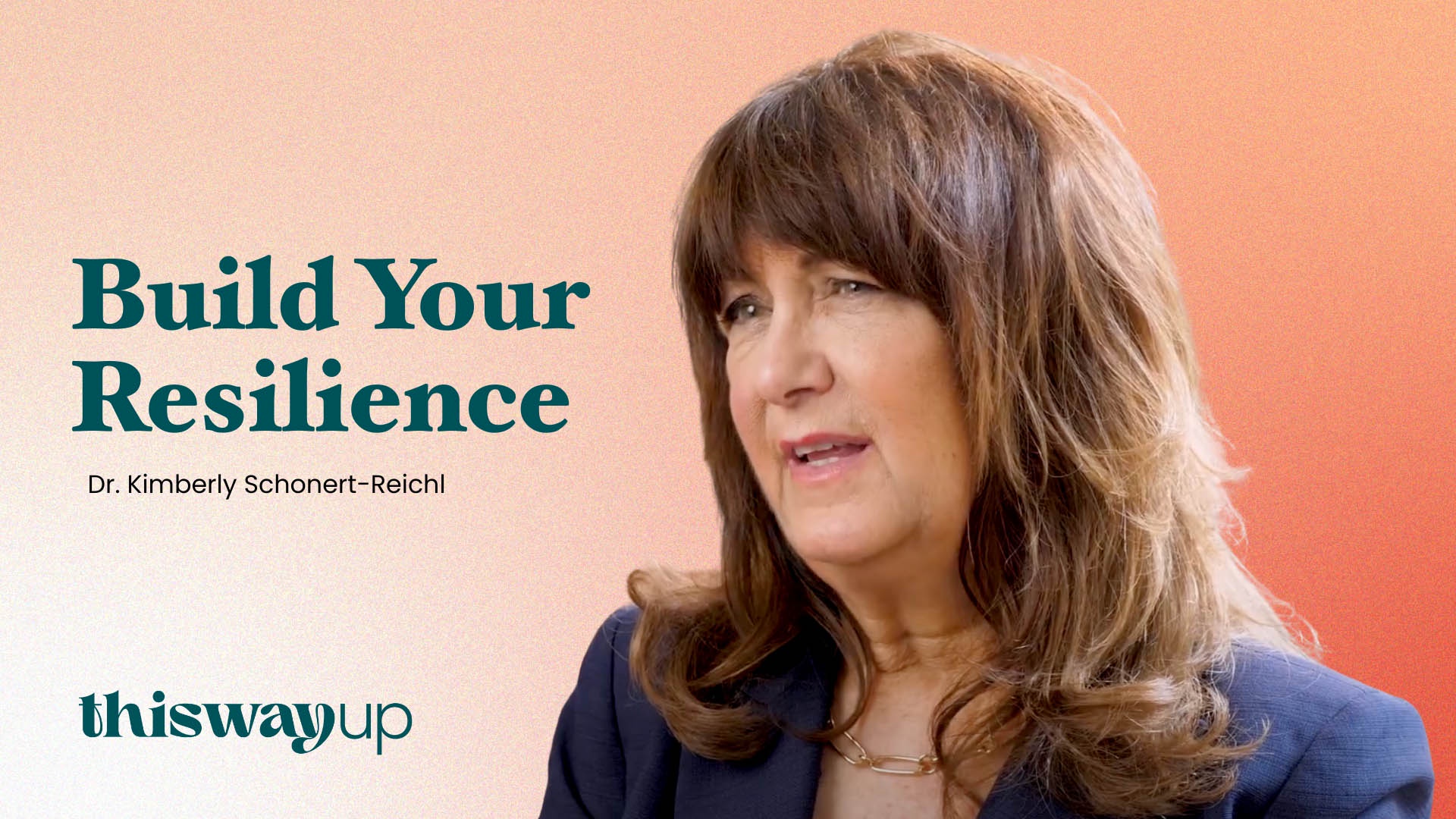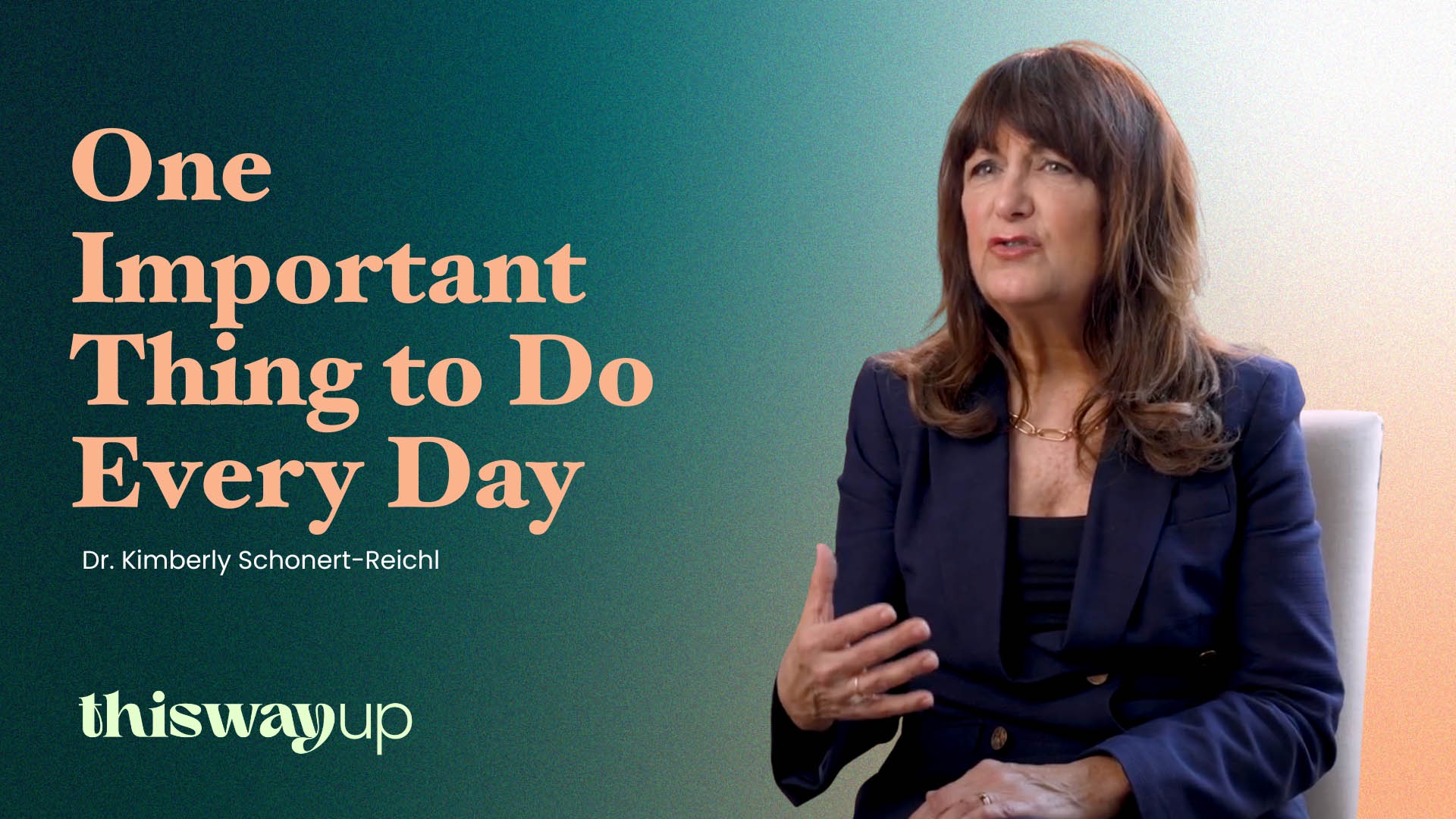

Dr. Kimberly Schonert-Reichl explores how understanding emotions is key to building resilience and wellbeing.
Emotional literacy is the ability to recognize, name and understand emotions, both your own and other people's. In this short video, Dr. Kimberly Schonert-Reichl, a professor of psychology and a researcher in social and emotional learning, explains why it is a building block of resilience and shares one simple strategy you can use today: name it to tame it.
Key takeaways
- Being able to identify and understand emotions is "one key component of resilience, of well-being."
- Emotional literacy covers your own feelings and the feelings of others.
- The strategy "name it to tame it" comes from psychiatrist and author Dan Siegel.
- Simply saying "I'm frustrated, I'm sad, I'm angry" is the first step to managing a feeling.
What Dr. Kimberly Schonert-Reichl says
Dr. Schonert-Reichl frames emotional literacy as a core skill, not a soft extra. Being able to identify our emotions and understand them "not only in ourselves but in others" is, she says, a key part of both resilience and well-being.
Her practical tool is one "critical strategy" borrowed from Dan Siegel: name it to tame it. The idea is that just naming the emotion, being able to say "I'm frustrated, I'm sad, I'm angry," is "the first step to taming it and to understanding how to manage that emotion." You don't have to fix the feeling right away. You start by putting a word to it.
Why is emotional literacy important?
When you can name what you feel, you have more choice in how you respond. "I'm angry" leads to different next steps than "I'm hurt" or "I'm exhausted." Naming feelings also helps you notice them earlier, before they build into a blowup or a shutdown, and it makes it easier to tell the people around you what you need.
Research backs up the idea that words matter. In a brain imaging study, putting feelings into words, called affect labeling, reduced the response of the amygdala, a brain area involved in emotional reactions, to upsetting images and increased activity in a part of the prefrontal cortex. The researchers suggest this may be one way labeling feelings dampens emotional reactions (Lieberman et al., Psychological Science).
How to practice naming your feelings
A few times a day, pause and ask, "What am I feeling right now?" Try to go past "fine" or "bad" to a more specific word: frustrated, lonely, nervous, disappointed, relieved. Writing it down helps, and our guide on how journaling helps reduce anxiety shows how. If you're a parent, naming your own feelings out loud teaches kids to do the same. See supporting daughters through anxiety for more.
Video transcript
Transcript (lightly edited for reading):
We know that one key component of resilience, of well-being, is being able to identify our emotions and to understand them, not only in ourselves but in others. One critical strategy is taken from Dan Siegel, who has coined the phrase "name it to tame it." The idea that just naming that emotion, being able to say "I'm frustrated, I'm sad, I'm angry," is the first step to taming it and to understanding how to manage that emotion.
Common questions
Why is emotional literacy important for kids?
Kids who can name what they feel have a starting point for handling it, and for understanding how other people feel too. Dr. Schonert-Reichl calls the ability to identify and understand emotions "one key component of resilience, of well-being."
What is the difference between emotional literacy and emotional intelligence?
The terms overlap. Emotional literacy usually refers to recognizing, naming and understanding emotions. Emotional intelligence is often used more broadly, including how you use that understanding to manage feelings and relationships. Emotional literacy is a foundation for it.
What is emotional literacy for adults?
It's the same skill at any age. Many adults were never taught a wide vocabulary for feelings, so they default to "stressed" or "fine." Learning more precise words can make it easier to cope and to ask for support.
What are some emotional literacy activities?
Try a daily feelings check-in, keep a short feelings journal, use a feelings word list to find a more exact word, or ask a friend or child, "What do you think that person was feeling?" when watching a show together.
If strong emotions feel unmanageable or keep getting in the way of daily life, a doctor or therapist can help.
About the expert: Dr. Kimberly Schonert-Reichl is the Endowed Chair in Social and Emotional Learning and a Professor in the Department of Psychology at the University of Illinois at Chicago. She was previously a professor at the University of British Columbia and holds a PhD in Educational Psychology from the University of Iowa.